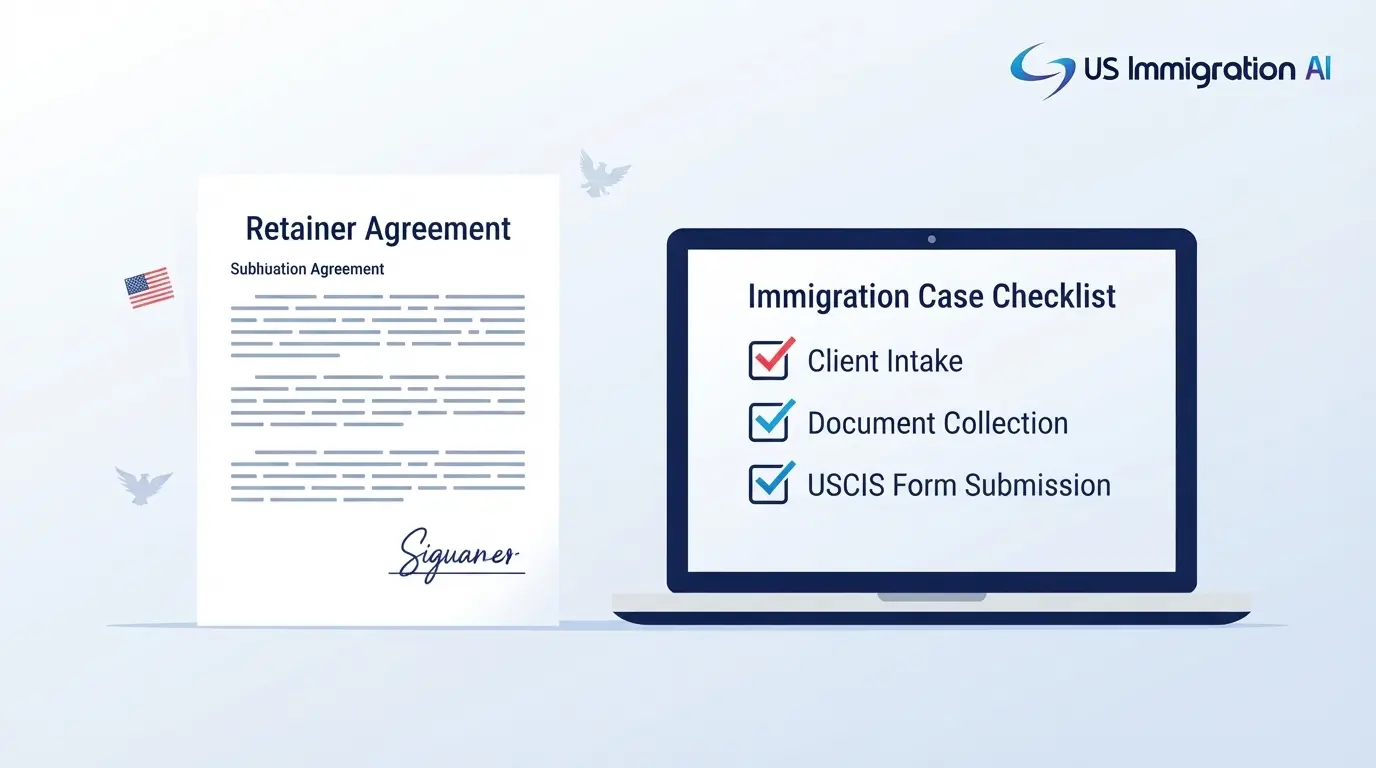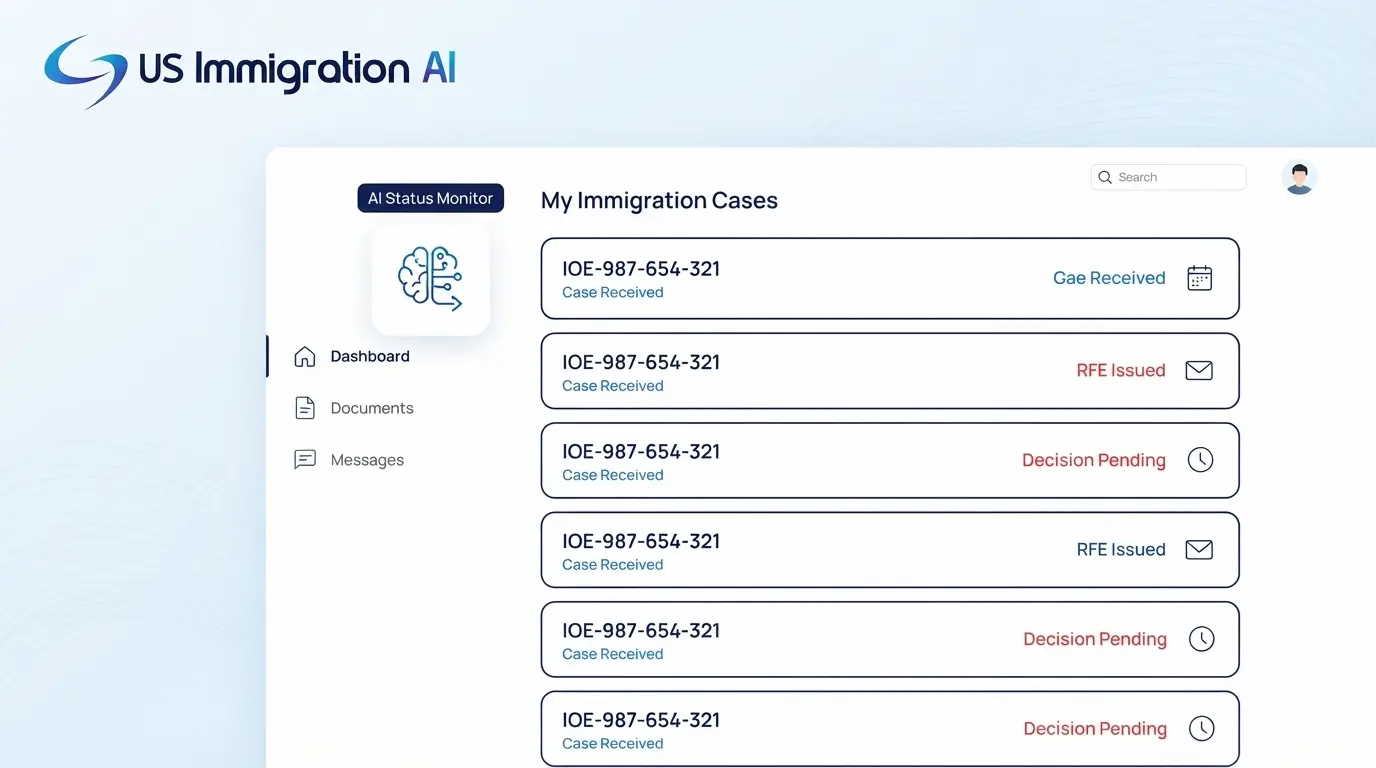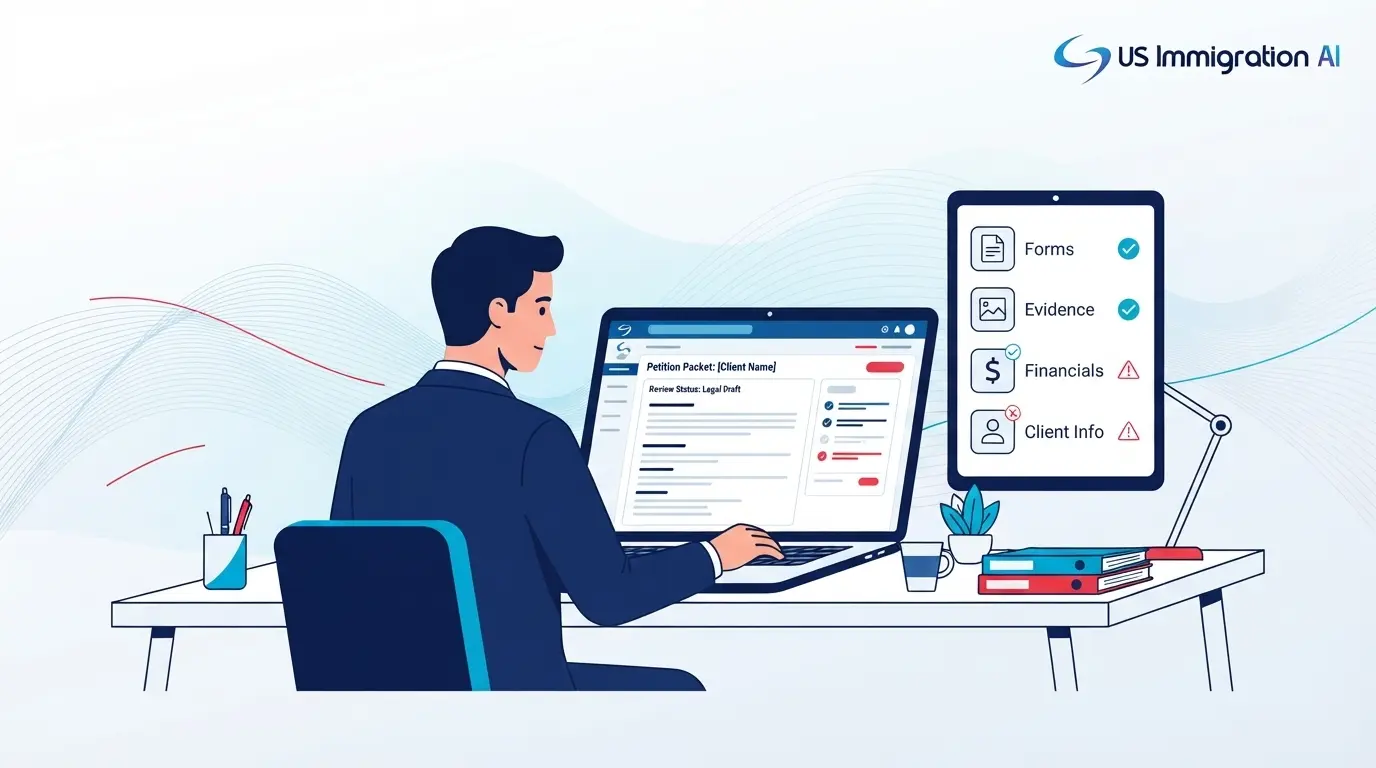

How AI helps immigration law firms handle more cases with the same team comes down to one thing. The software does the slow, repeat work so your people can do the legal work. It reads papers, fills out forms, and writes first drafts in minutes. Your team helps more clients without longer days or a new hire. A lawyer still checks every file before it goes out.
Key Takeaways
- AI takes over repeat work like reading documents, filling forms, and writing first drafts. The same team can then take on more cases.
- A smart intake tool greets new leads at any hour, so the firm captures clients even after the office closes.
- AI costs a small part of one paralegal's pay and is ready on day one. A new hire needs months of training.
- A licensed lawyer must still review every file. AI can make mistakes, so human checks and bar rules still apply.
- Good tools also keep client money in the trust account, separate from firm money.
Where Immigration Firms Lose the Most Time
Most firms lose their hours to repeat work, not legal work. Immigration cases come with stacks of paper and many steps.
Staff answer calls late at night. They chase down passports and birth records. They type the same name and date into form after form.
This slow work eats up time and money. Much of a firm's day goes to admin and paperwork instead of billable legal work. It also caps how many clients a firm can serve.
Many owners think the only fix is to hire more staff. There is a better path.
Less Time Spent Filling Out Forms
Filling out forms by hand is the biggest time drain, and it is the easiest to fix. The software can read a photo of a passport, visa, or birth record on its own.
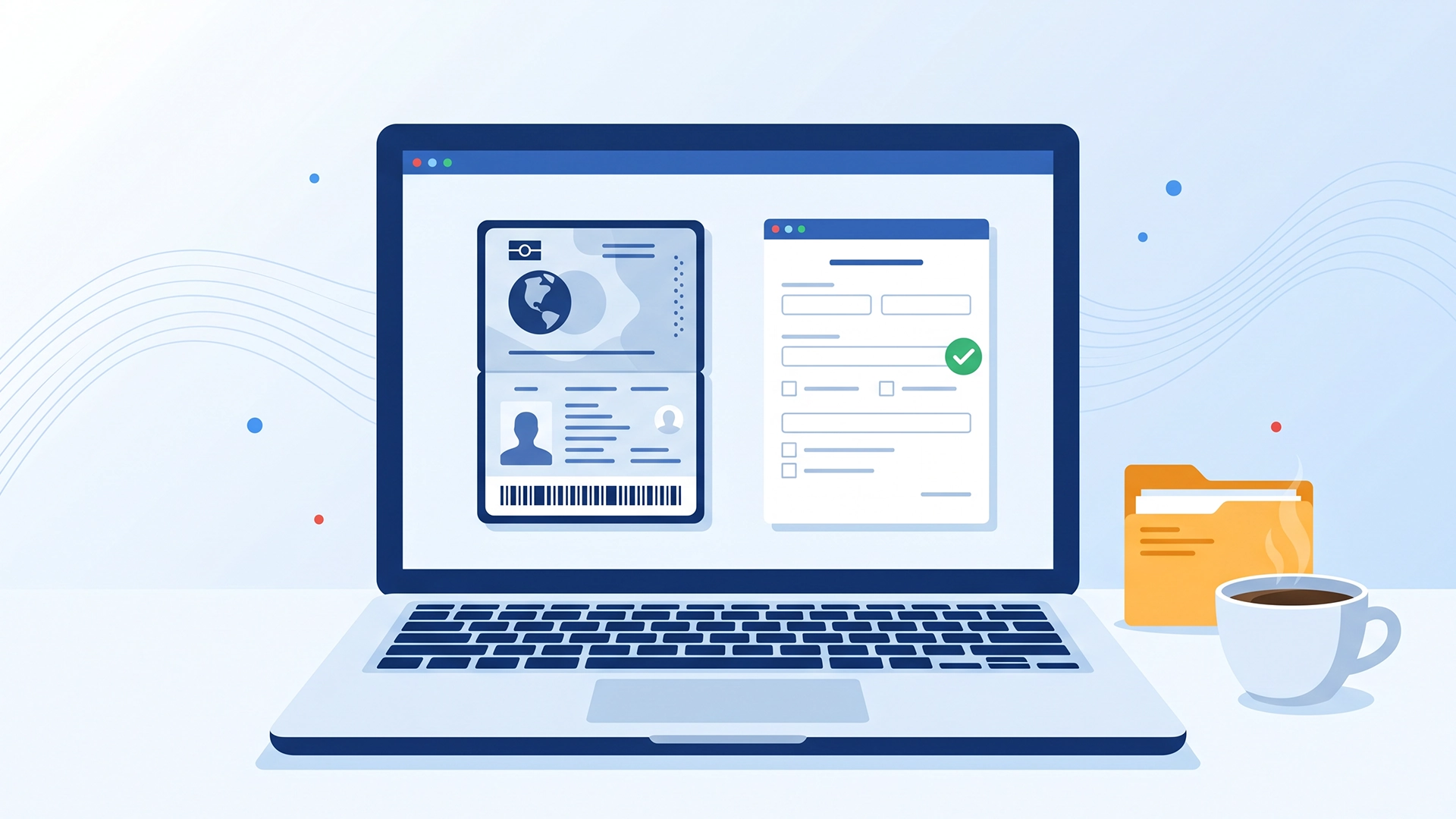
It pulls out the names, dates, and numbers. Then it fills in the official government forms for you. The same details land on every form, so there are fewer typos.
This saves real time. A form that once took most of a day can take well under an hour with our form-filling tool.
The point is not speed for its own sake. It is room. When forms take minutes, one lawyer can guide more families through the process.
Faster First Drafts and Case Assembly
Big writing jobs are often why firms feel they must hire again. Long petitions and support letters can eat up days.
AI can write a first draft of a petition or a support letter in minutes. A lawyer then reads it, fixes it, and signs off. This turns days of writing into a quick review, which is where much of the time saving comes from.
It also helps when a client sends new proof right before a deadline. The tool finds the part of the draft that needs to change and updates it fast. When the file is ready, our case assembly tool puts every form and document in order for filing.
Help With Client Intake, Day and Night
A smart intake tool can greet new clients any time, even at midnight. New leads often reach out after hours, when no one is at the desk.

It asks simple questions, even in more than one language. It catches the things that matter, like a close deadline or a tricky family detail. This gathers better answers than a plain web form.
After sign-up, the same tool sends status notes and reminders for missing papers. Your staff stop drowning in "just checking in" emails. You can see this in our client intake tool.
Quick Answers From Long Legal Files
AI can read long legal files in minutes and pull out the key points. Reading them by hand takes hours.
It can sum up court records, rule changes, and past government rulings in plain words. This helps your team get up to speed fast.
Some tools go further. They look at past cases to flag weak spots before you file. Catching a gap early can mean fewer denials and fewer follow-up letters from the government.
Safer Handling of Client Money
Good software keeps client money and firm money apart on its own. Mixing the two breaks the rules and puts a license at risk.

Retainer money goes straight into the client trust account. The trust account is the separate account lawyers must use to hold client funds. Card fees come out of the firm's own account instead, so the line stays clean.
The tool can also top up a retainer when it runs low. It can take payment from clients overseas without the wire-transfer headache. And it can pay government filing fees with safe, easy-to-track cards. This is how US Immigration AI keeps your trust account clean from day one.
The Cost: AI vs. Hiring Another Paralegal
A new hire costs a lot. AI costs far less and starts the same day.
The U.S. Bureau of Labor Statistics put the median paralegal wage at $61,010 in 2024, and the real cost runs higher with benefits. A new hire also needs months of training to reach full speed. Software is ready on day one and costs a small part of one salary.

This is good for your people, too. Less busywork means less burnout. Your team gets to spend its day on clients, not paperwork.
Using AI Without Breaking the Rules
AI does not replace the lawyer, and the rules still apply. This is the part many guides skip, so read it with care.
AI can make things up. A 2024 Stanford study found that even legal AI tools still give wrong answers 17 to 33 percent of the time. That is why a person must check every draft and every form before it is filed.
Keep client details out of public AI tools. ABA Model Rule 1.6 bars lawyers from unauthorized disclosure of client information. A secure, firm-only tool helps you meet that duty.
The immigration courts have weighed in, too. In August 2025, the Executive Office for Immigration Review issued Policy Memorandum PM 25-40, Use of Generative Artificial Intelligence in EOIR Proceedings. It warns that filing false or AI-invented content can bring professional discipline. Used with human review, AI stays safe and helpful.
Final Thoughts
You do not have to change everything at once. Start with the one task that eats the most time, which is usually form-filling, and add more from there.
The goal is room to grow. When the repeat work shrinks, your current team can say yes to more clients without burning out or adding payroll.
Keep a person in charge of every filing. With steady review and a secure, firm-only tool, AI lets a small firm act like a bigger one.