
What AI Case Assembly Can Do for Your Firm
Case assembly takes everything tied to a case and turns it into a packet your attorney can file. Here is what the platform handles at each stage.
Automatic Document Organization
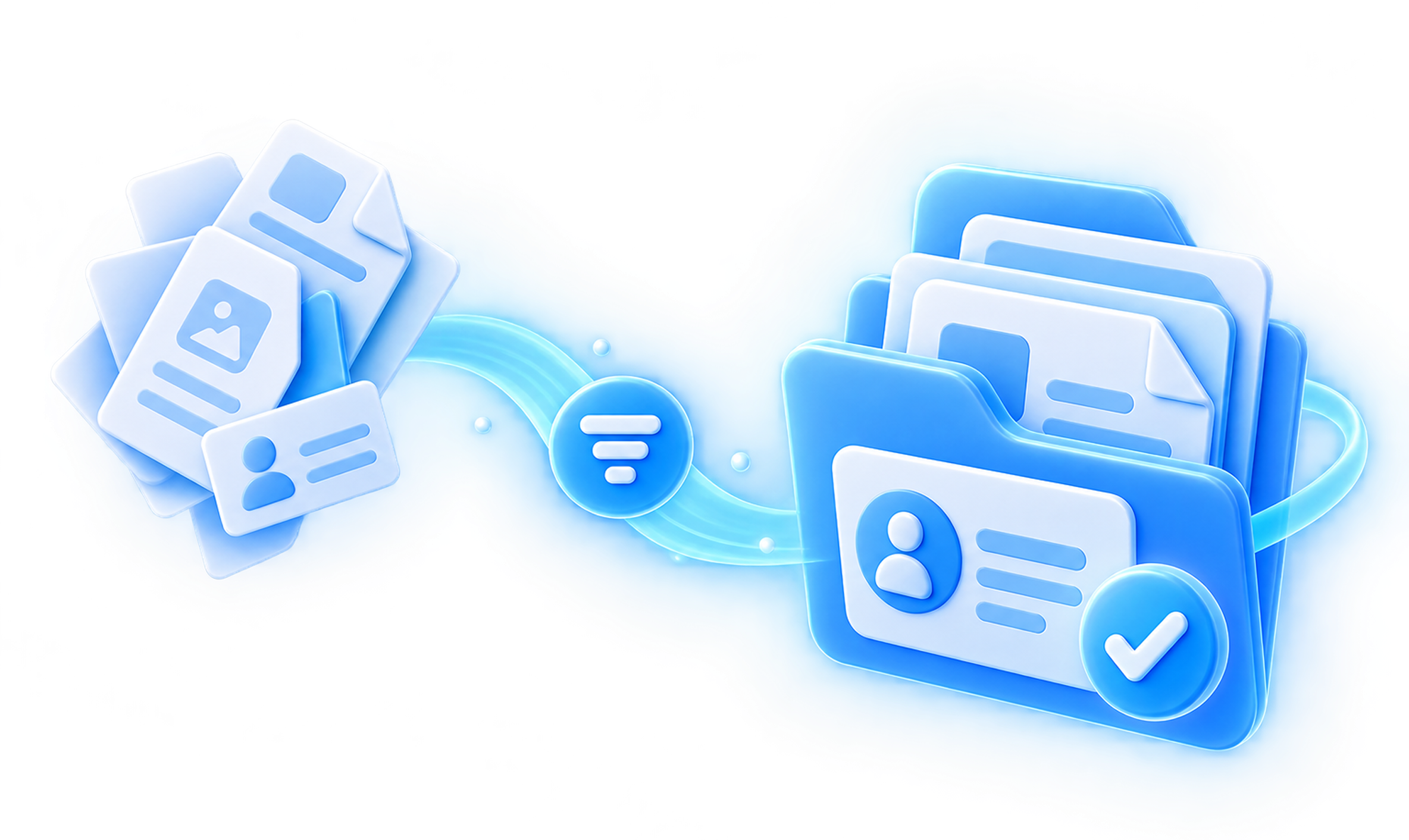
The platform sorts client uploads by type, date, and relevance, then builds a consistent folder structure for every case. Duplicates are removed and each file is labeled, so nothing gets lost before review.
Form Pre-Fill
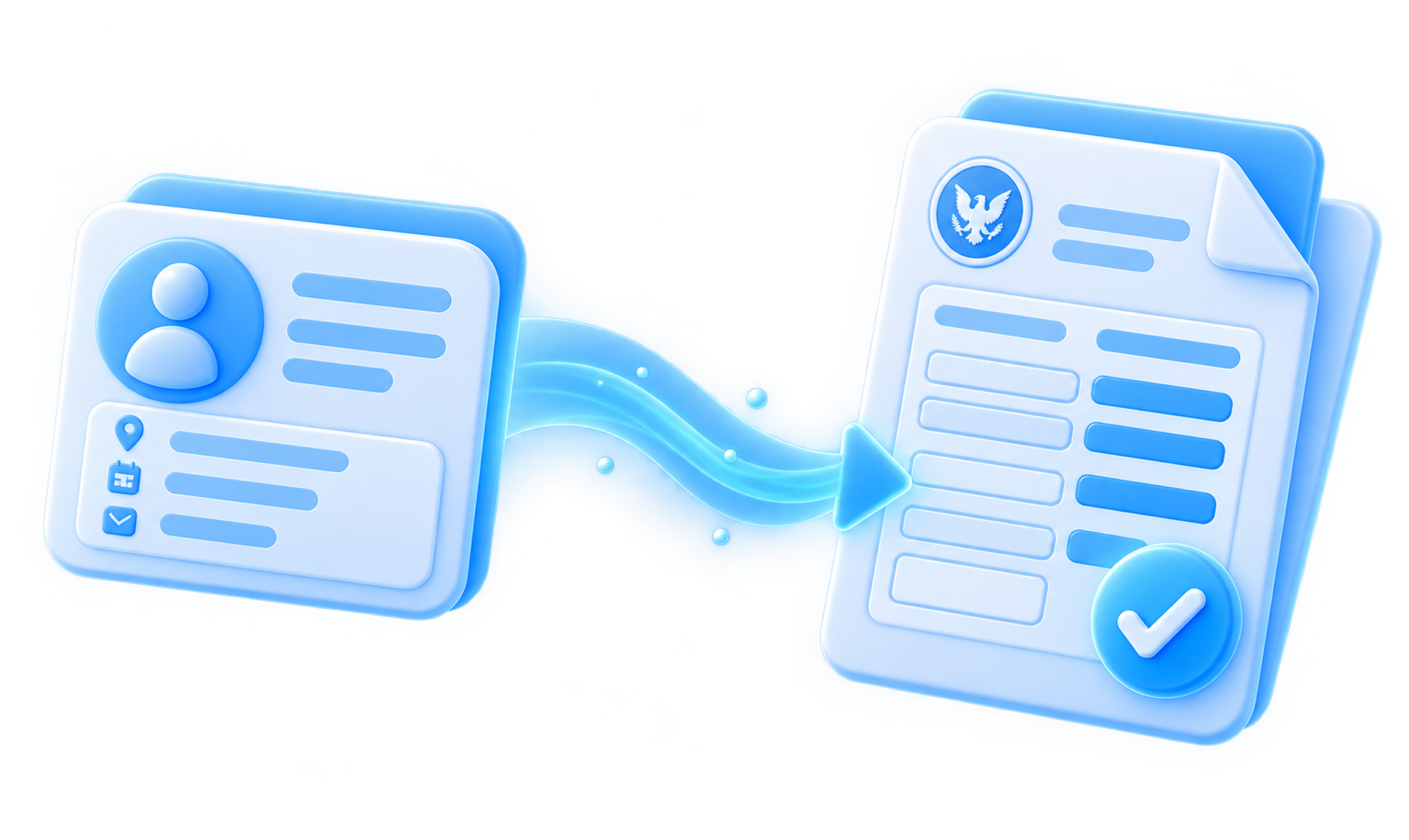
Information captured during intake and document collection flows straight into the right USCIS forms. Your team stops retyping the same client details across forms, and entries stay consistent across the whole case.
Exhibit Index and Pagination
The platform builds a labeled exhibit index and applies continuous pagination across the full packet. When exhibits are added, removed, or reordered, the labels and page numbers update on their own, so the index always matches the file.
Cover Sheets and Checklists
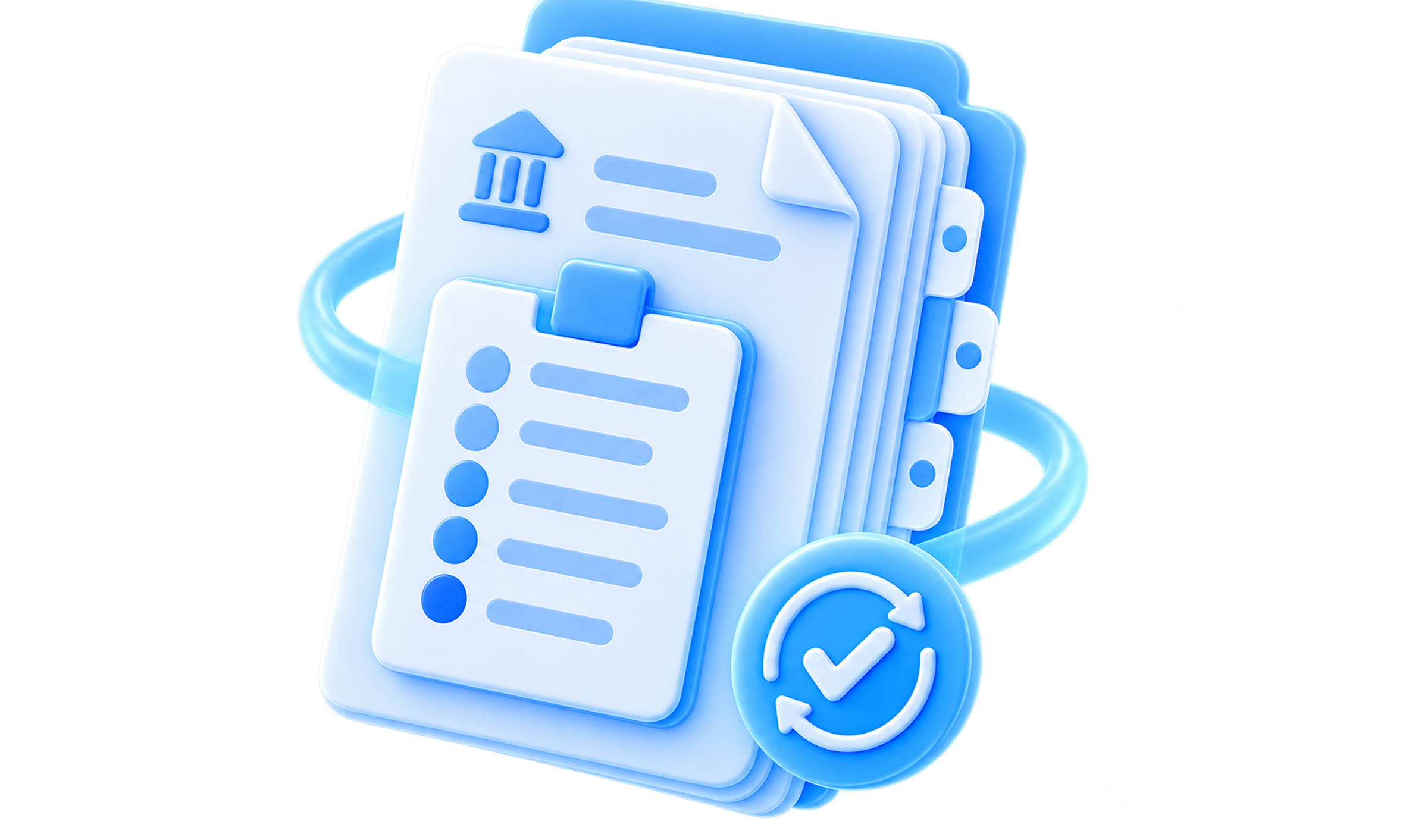
Each case comes with cover sheets, a table of contents, and internal checklists ready to go. Your attorney gets a clear map of what is in the packet and what still needs a look
Missing-Item Flags
The platform checks every case for gaps and inconsistencies and marks what still needs attention. Issues surface before the packet reaches your attorney, not after a filing has gone out.

One-Click Packet Assembly
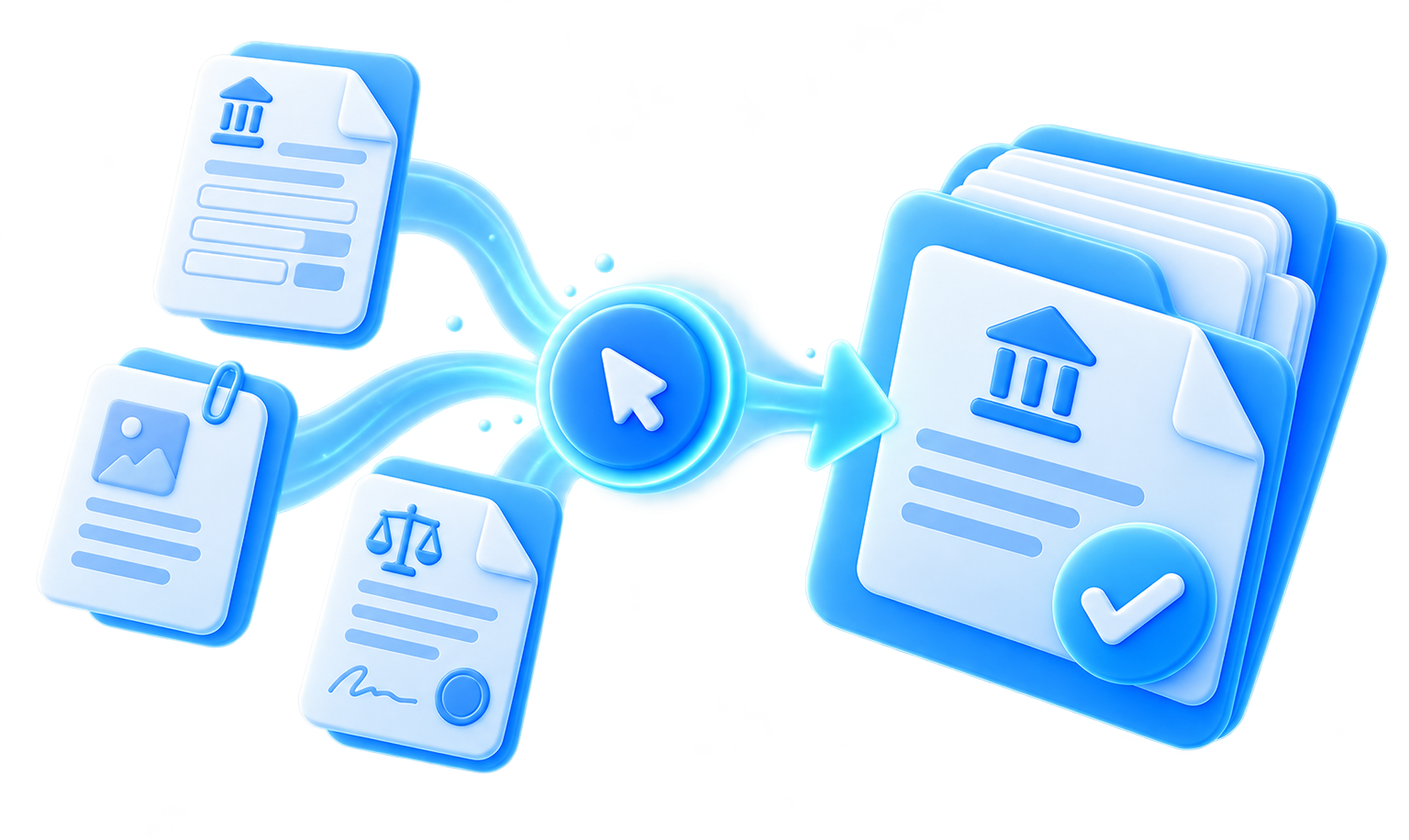
Forms, evidence, exhibits, and cover sheets combine into a single submission-ready file in one step. The packet is formatted for USCIS and ready for your attorney to review and file.
Handle More Cases Without Adding Staff
Not every case needs the same hands-on attention. The platform takes the repetitive assembly work off your team, so your firm can take on more cases without new hires.
Cut Manual Sorting Time
The platform organizes and labels every file as it arrives, so no one spends hours arranging documents by hand. Your staff starts each case with a clean, ordered file instead of a pile of uploads.
Keep Every Package Consistent
Each case is built to the same standard, with the same structure and formatting every time. Your filings stay professional and predictable, no matter who on your team prepared them.
Scale Without New Hires
One system carries the assembly workload that used to take extra staff. As your caseload grows, the platform absorbs the volume instead of your payroll.
Free Your Attorneys for Legal Work
With sorting, formatting, and assembly handled, attorneys spend their time on strategy and clients. The administrative work stops competing with the legal work.
How a Case Goes From Upload to Ready to File
Automatic Document Organization
Form Population & Verification
One-Click Case Assembly
- Cover sheets
- Supporting evidence documents
- Pre-filled forms
- Internal checklists and notes for attorney reviewsigned, pending, or waiting on the client.
Attorney Review & Approval
Connected to Your Tools
Manual Case Assembly vs. US Immigration AI
See the difference between manual case assembly and US Immigration AI. Each row pairs a task that used to eat your team's time with the way the platform handles it now.
Client documents scattered across folders, email, and drives
Forms filled by hand, one field at a time, prone to errors
Hours spent compiling each case package
Missing documents caught late, formatting inconsistent
Staff juggling tasks while cases bottleneck
Every client file organized automatically in one system
Forms pre-filled accurately from client data
Complete packages assembled in minutes
Missing items flagged automatically, formatting standardized
Fewer bottlenecks, so cases move without staff pileups
Why Immigration Firms Choose US Immigration AI
Built Specifically for Immigration Law
One System, Lower Overhead
Attorney-Controlled Accuracy
Security and Compliance
What Case Assembly Looks Like in Real Cases
The time savings show up differently depending on the case. Here is how assembly plays out across three filing types firms handle most.
Family-Based Petition
Employment-Based Visa Case
Complex Multivisa Client
Family-Based Petition
Employment-Based Visa Case
Complex Multivisa Client
Related Immigration AI Services
AI Intake
AI Retainer
AI Document Collection
AI Legal Document Drafting
Frequently Asked Questions (FAQ)
1. What does AI Case Assembly do?
2. Is case assembly the same as case preparation?
3. Is this a separate piece of software I have to manage?
4. Does the platform file the case with USCIS for me?
5. Can my attorney review everything before submission?
6. What case types does it support?
7. Will it flag missing documents before we file?
8. Is my client data secure?
9. How much does it cost?
Get Your Next Case Filing-Ready
Take your firm from scattered documents to fully assembled submissions. Book a consultation and see how case assembly fits your caseload.