
Attorney oversight of AI in immigration means the lawyer, not the software, stays responsible for every filing. AI can draft, sort, and summarize, but it cannot sign off on legal work. You keep full legal and ethical duty for accuracy and compliance. You cannot hand that blame to a software vendor. This guide shows the four checks that keep AI a safe tool.
Key Takeaways
- Attorney oversight keeps the lawyer responsible for every filing. AI assists with the work, but accountability never shifts to the software vendor.
- The core safeguard is human-in-the-loop review. A lawyer checks and approves each AI output before it is filed.
- Good tools keep an audit trail: a record of the prompt, the AI output, and the attorney's sign-off.
- Set clear rules for where AI may help and where human judgment is required. Watch for bias across visa types over time.
- AI cannot read a client's real intent or keep up with every policy change. That part stays human.
What Attorney Oversight of AI Means
Attorney oversight means AI is used as an assistant, not as the final decision-maker. The software can speed up the work, but a licensed attorney makes the legal judgments and remains responsible for the outcome.
This matters because responsibility does not move to the vendor. If an AI-assisted filing has an error, the attorney answers for it, not the software company.
So the goal is simple. Use AI to save time on routine work, and keep a licensed person in charge of every legal call.
Why Oversight Is the Standard
Oversight is the professional standard, and the rules are built around it. AI is a welcome tool for immigration lawyers, as long as a person stays responsible for the work.
ABA Formal Opinion 512 (2024), the bar's first ethics opinion on generative AI, makes this clear. It says lawyers may use these tools while keeping their duties of competence, confidentiality, and candor to the court.
The main point is that responsibility stays with the attorney. In a 2025 case, a federal judge fined three lawyers for filing fake, AI-generated case citations, as reported by Justia. A quick human check before filing is all it takes to avoid that.
How Firms Keep Oversight in Place
Oversight is not one rule. It is a set of habits built into the daily workflow.
Four checks do most of the work. They are a human review of every output, an audit trail, clear rules for where AI may help, and ongoing bias testing. The next sections cover each one, starting with the most important.
Human-in-the-Loop Review
Human-in-the-loop review is the most important safeguard. It means a lawyer checks, validates, and approves every AI output before it is filed.
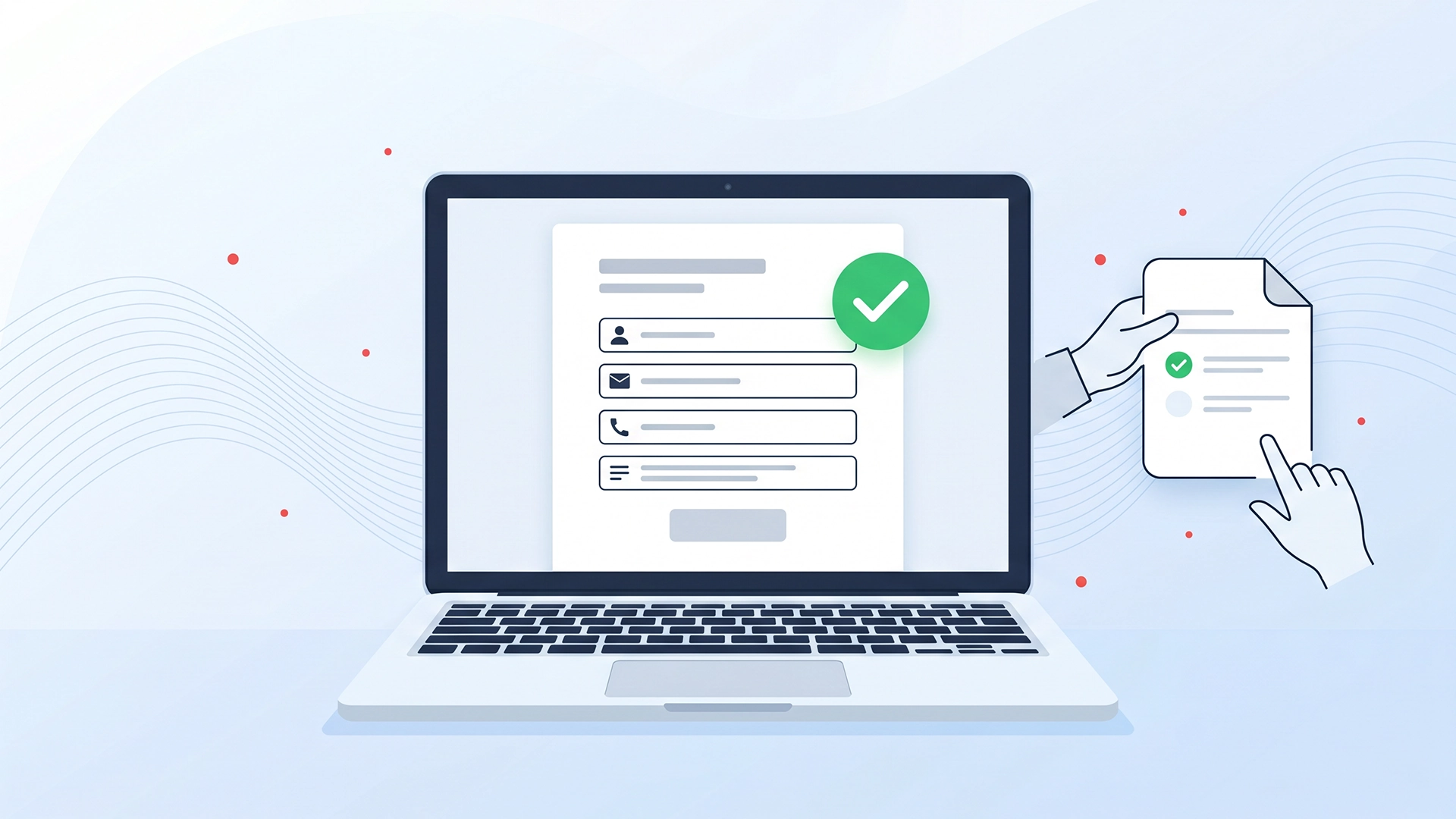
This holds true even for routine work. When AI fills a naturalization application (Form N-400), it is still the attorney's job to check the entries for accuracy.
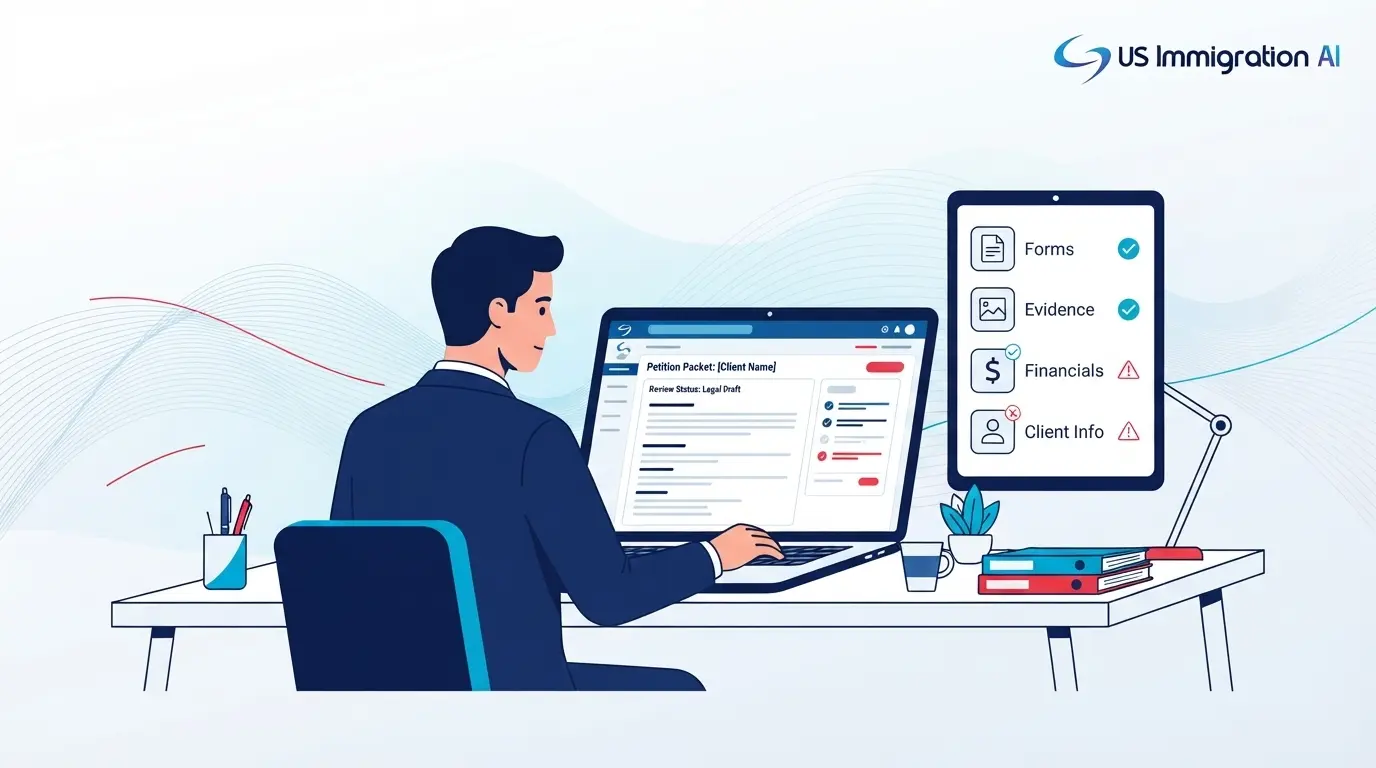
Build the review into the workflow so it cannot be skipped. Our drafting tool creates a first draft, then waits for a lawyer to edit and approve. Our case assembly tool shows the full package on screen so the attorney can verify it before anything is filed.
Audit Trails and Logs
An audit trail is a record of who did what, and when. Good software keeps a clear log of every AI-assisted action.
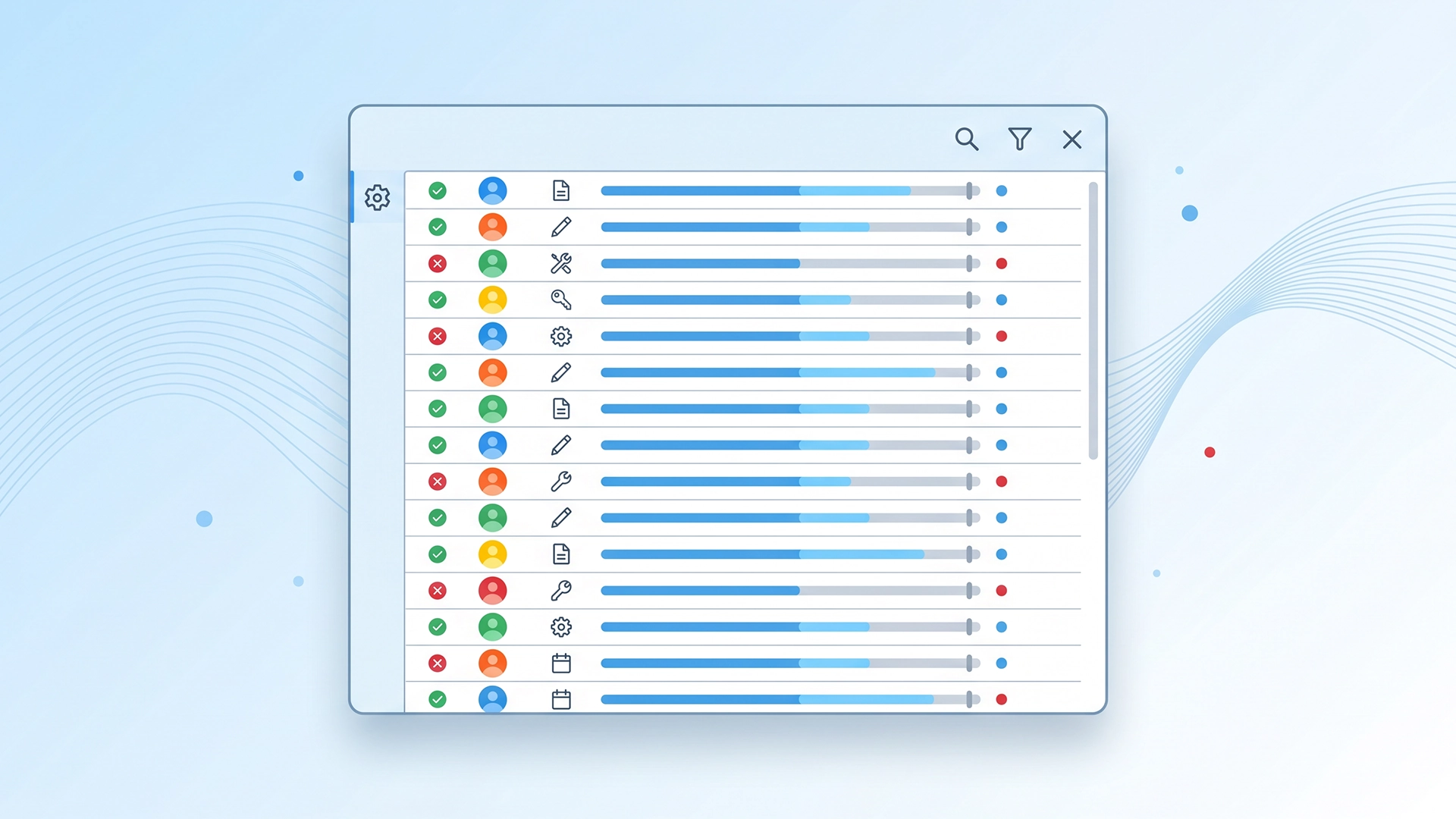
That log should capture three things: the prompt a user entered, the output the AI produced, and the attorney's sign-off. The record should be hard to alter and easy to export.
This gives you a defensible file if a decision is ever questioned. It also shows supervisors that the firm's review standards were followed on each case. You can read how we handle this on our data security and compliance page.
Clear Rules for Where AI Can Help
Set written rules for where AI may assist and where it may not. This is how a firm turns good intentions into daily habits.
Spell out the green-light tasks. These often include document intake, reading text from a scan, and summarizing files for internal use.
Then spell out the red-light tasks. Legal strategy, the final review, and any call that needs professional judgment stay with a person. Train every staff member on these lines, and keep client details out of public AI tools.
Bias Testing and Ongoing Checks
Test your AI for patterns of error over time. A tool can quietly underperform on some case types and not others.
Track three signals: error patterns, user feedback, and how often attorneys override the AI. A high override rate on one visa type is a warning sign worth a closer look.
Check that results hold up across different visa categories and client groups. This catches bias before it affects a real filing, and it tells you where the tool needs a tighter human check.
Make it concrete. Set a monthly review cadence, owned by a supervising attorney. If the override rate on any single visa category passes 20 percent, route that category to mandatory senior review until the pattern clears.
Where People Still Lead
People still lead on the parts of a case that need human judgment. AI works from the words on the page, while the lawyer reads the person in the room.

AI is also best paired with a human when policy shifts. Immigration rules change often, and the meaning of a rule can turn on a fresh decision.
This is the healthy split. AI handles the routine, fast, while judging credibility, setting strategy, and reading new policy stay with your attorneys.
Safe Use vs. Blind Reliance
The difference between safe use and blind reliance comes down to who stays in charge. The table below sums it up.
Aim for every row on the left. That is what oversight looks like in practice.
Putting Oversight Into Practice
You do not have to choose between speed and safety. The four checks above let you use AI every day while your team keeps control of the legal work.
Start by writing down where AI may help and where it may not. Then make sure a lawyer signs off on every output, and that the tool keeps a record of it.
Used this way, AI is a reliable assistant that lets a small firm do more, with confidence. The judgment stays where it belongs, with your attorneys.
Frequently Asked Questions