
USCIS changed how officers evaluate good moral character for naturalization applicants on August 15, 2025. Policy Memorandum PM-602-0188 moves officers away from a checklist-style review and toward a holistic evaluation of an applicant's full record.
The requirement itself is not new. Every naturalization applicant has always needed to show good moral character under INA §101(f). What changed is how much evidence an applicant now needs to bring, and what USCIS considers when weighing it.
Key Takeaways
- USCIS issued PM-602-0188 on August 15, 2025, changing how officers evaluate good moral character (GMC) for naturalization.
- Officers now weigh positive attributes alongside any disqualifying conduct, not just the absence of wrongdoing.
- Positive factors include community involvement, family responsibilities, educational attainment, and tax compliance.
- The statutory review period stays the same: 5 years before filing Form N-400, or 3 years for applicants married to and living with a U.S. citizen spouse.
- Applicants with some negative history can still succeed with evidence of rehabilitation and reform.
What Changed on August 15, 2025?
USCIS's new memo, titled "Restoring a Rigorous, Holistic, and Comprehensive Good Moral Character Evaluation Standard for Aliens Applying for Naturalization," directs officers to move past what it calls "a cursory mechanical review focused on the absence of wrongdoing." Officers must now weigh an applicant's full history, positive and negative, before making a GMC determination.
This is a shift in evaluation, not a new legal test. INA §101(f) still defines good moral character the same way. The memo changes how thoroughly officers look and what they are instructed to look for.
Old Standard vs. New Standard
The practical difference shows up most clearly in what an application needs to demonstrate.
That last row is where most of the new preparation burden actually lands.
What Counts as a Positive Factor Now?
The memo names several categories of evidence officers should credit. Community involvement, such as volunteer work or civic participation, is one. Family responsibilities, including caregiving and financial support of dependents, is another.
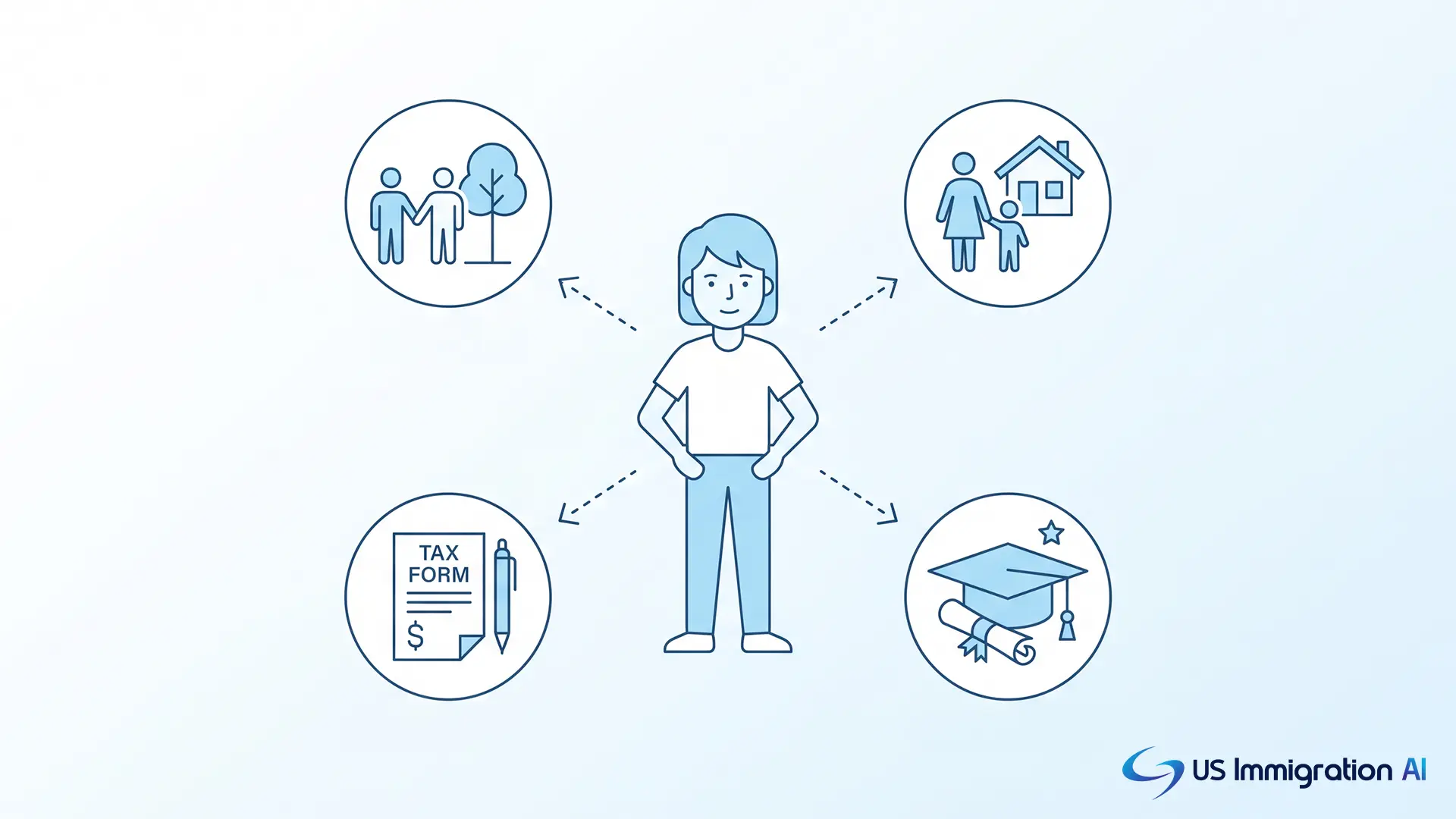
Educational attainment and consistent tax compliance round out the list. None of these are new requirements on their own. What changed is that USCIS now expects to see them documented as part of the case, not left implicit.
What if an Applicant Has a Negative History?
A prior issue does not automatically end an application. The memo allows officers to weigh evidence of rehabilitation and reform alongside whatever disqualifying conduct exists in the record.
That evidence can include community testimony, mentoring or reformation activities, and full repayment of any benefit overpayments. [CONFIRM: verify whether this evaluation standard applies to N-400 applications already pending as of August 15, 2025, or only to applications filed after that date, against current USCIS guidance before publishing.]
None of this evidence matters if it falls outside the window USCIS is actually allowed to consider.
How Long Does USCIS Look Back?
The statutory review period has not changed. USCIS still looks at the 5 years immediately before an applicant files Form N-400, or 3 years for an applicant married to and living with a U.S. citizen spouse. Officers assess GMC case-by-case under the preponderance-of-the-evidence standard, meaning it must be more likely than not that the applicant meets the requirement.
What has changed is the depth of that look. A clean record within the review period is still necessary. Under the current standard, it is often not treated as sufficient on its own.
Knowing what evidence to gather is one problem. Actually gathering it, from every client, on every open case, is the harder one.
Preparing Good Moral Character Evidence Across a Caseload
A single N-400 case can now call for tax records, community letters, proof of family responsibilities, and rehabilitation documentation, gathered from the client rather than pulled from a background check alone. Multiply that across an active caseload and the collection problem grows fast.
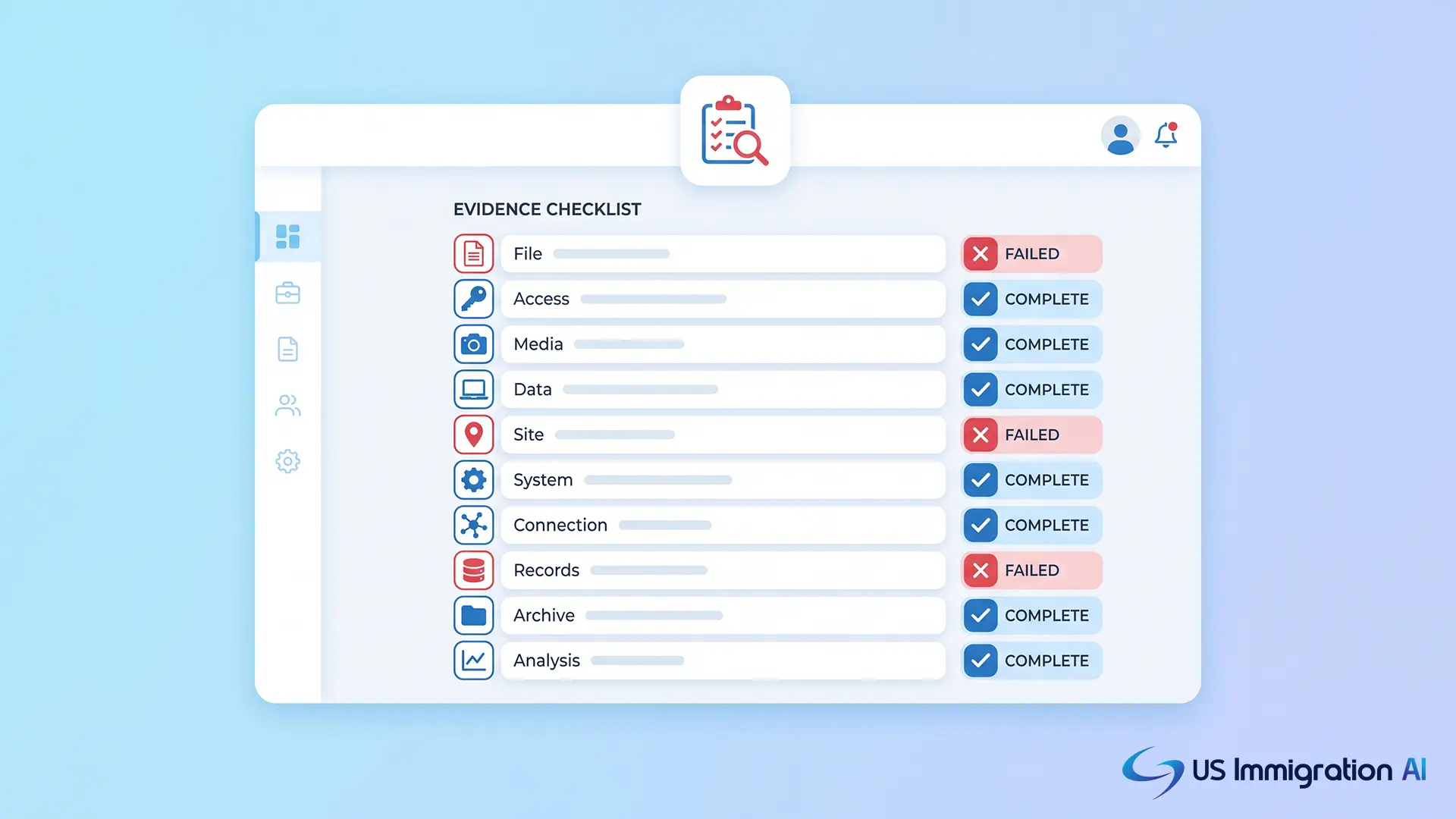
A shared document portal gives each client a clear checklist of what evidence to upload, with status visible to the whole team. That keeps a paralegal from tracking down which client still owes a tax transcript the week before filing.
Where This Leaves Naturalization Case Prep
The good moral character requirement has not gotten harder to meet on paper. It has gotten harder to meet without preparation. An applicant with a genuinely strong record still qualifies; they now need to show it more deliberately than before.
Building that evidence into intake, rather than scrambling for it after an RFE, is what keeps a naturalization case moving under the current standard.
Grow Your Caseload With US Immigration AI
Good moral character evidence is exactly the kind of case-specific detail that is easy to lose track of across a busy caseload. US Immigration AI helps your firm collect and track it for every client, with a licensed attorney reviewing every file before it goes out. Schedule a demo to see how it fits your caseload.