

The biggest line item in the cost of running an immigration firm is payroll. Software usually costs a fraction of what a single hire does, yet most owners scrutinize the software bill and wave through the next hire.
What follows puts real numbers to each side, and to the rework cost that hides between them. Then you can decide where each dollar belongs.
Key Takeaways
- A paralegal's salary is only the starting point. Benefits, overhead, and ramp time push the real figure well past the number on the offer letter.
- Software cost depends on how it is priced. Per-user tools grow with your headcount. Per-case automation grows with your filings instead.
- The cost nobody budgets for is rework. A misfiled or incomplete petition can mean a Request for Evidence, a refile, and another round of government fees.
- Use software for the routine volume and staff for the judgment. That way growth does not require a new hire every time.
Where the Money Goes When You Run an Immigration Firm
The cost of running an immigration firm sorts into three buckets: people, tools, and rework. People are by far the largest, and they are the least flexible. You cannot dial payroll up and down with caseload.
Tools are the smallest and the easiest to measure. Rework is the one no one plans for, and it quietly pulls from the other two. The sections below take each in turn.
What a Paralegal Really Costs Your Firm
A paralegal costs far more than the salary you advertise. The published wage is only the starting point for the real number.

Salary Is the Smallest Part of the Bill
The median pay for paralegals and legal assistants was $61,010 in May 2024, according to the U.S. Bureau of Labor Statistics. That is the midpoint. In high-cost metros the top earners clear $98,990.
Attorney time is the more expensive resource. The BLS puts the median lawyer wage at $151,160 for the same period. That is more than $70 an hour in salary alone, before benefits and before the rate you bill clients. Every hour an attorney spends retyping form data is paid at that rate.
The Hidden Overhead of Every Hire
Salary is only about 70 percent of what an employer pays per worker. Across private industry, benefits made up the other 30 percent of employer compensation in September 2024, per the BLS Employer Costs for Employee Compensation data.
Apply that to a paralegal. A $61,010 salary becomes more than $80,000 once you add health coverage, payroll taxes, and retirement. Then come the costs that never reach the spreadsheet. Recruiting, training, weeks of ramp before the hire is productive, a desk, and a software seat all add up.
One Person Can Only Prepare So Many Cases
A paralegal has a fixed ceiling. There are only so many petitions a person can prepare in a week, and that ceiling does not move when filings spike during cap season.
So growth follows a familiar pattern. More cases means more hours, more hours means another hire, and another hire restarts the $80,000-plus cycle. Your capacity grows in big, expensive jumps instead of a smooth line.
What Case Software Costs
Software cost is easier to predict than payroll, but the pricing model matters more than the sticker. Two models dominate, and they behave very differently as you grow.

Per-User Software That Grows With Your Payroll
Most legacy case platforms charge per user per month. The bill rises every time you add a seat, which ties this cost to your headcount rather than your output.
There is a second catch. The features that matter most for immigration work, such as electronic filing, document drafting help, and accounting, often sit on the higher-priced tiers. A firm can pay a per-user rate and still find the useful tools behind another paywall. Payment processing can carry its own transaction fees on top.
All-in-One Automation Priced by the Case
The other model charges for output. Automation platforms built for immigration charge a flat monthly rate or a fee per application. The cost then tracks your filings instead of your staff list.
The practical difference is what happens when you grow. One client intake can fill the repeated fields across an entire set of forms, so the same team handles more cases without a new hire. The cost of the next case becomes a small software charge rather than a salary. US Immigration AI uses this model, at $97 per application or $997 a month for the full platform.
Where Manual Rework Drains Your Budget
Rework is the expense that lives in neither the payroll line nor the software line. It comes from the same manual habits that slow a firm down.
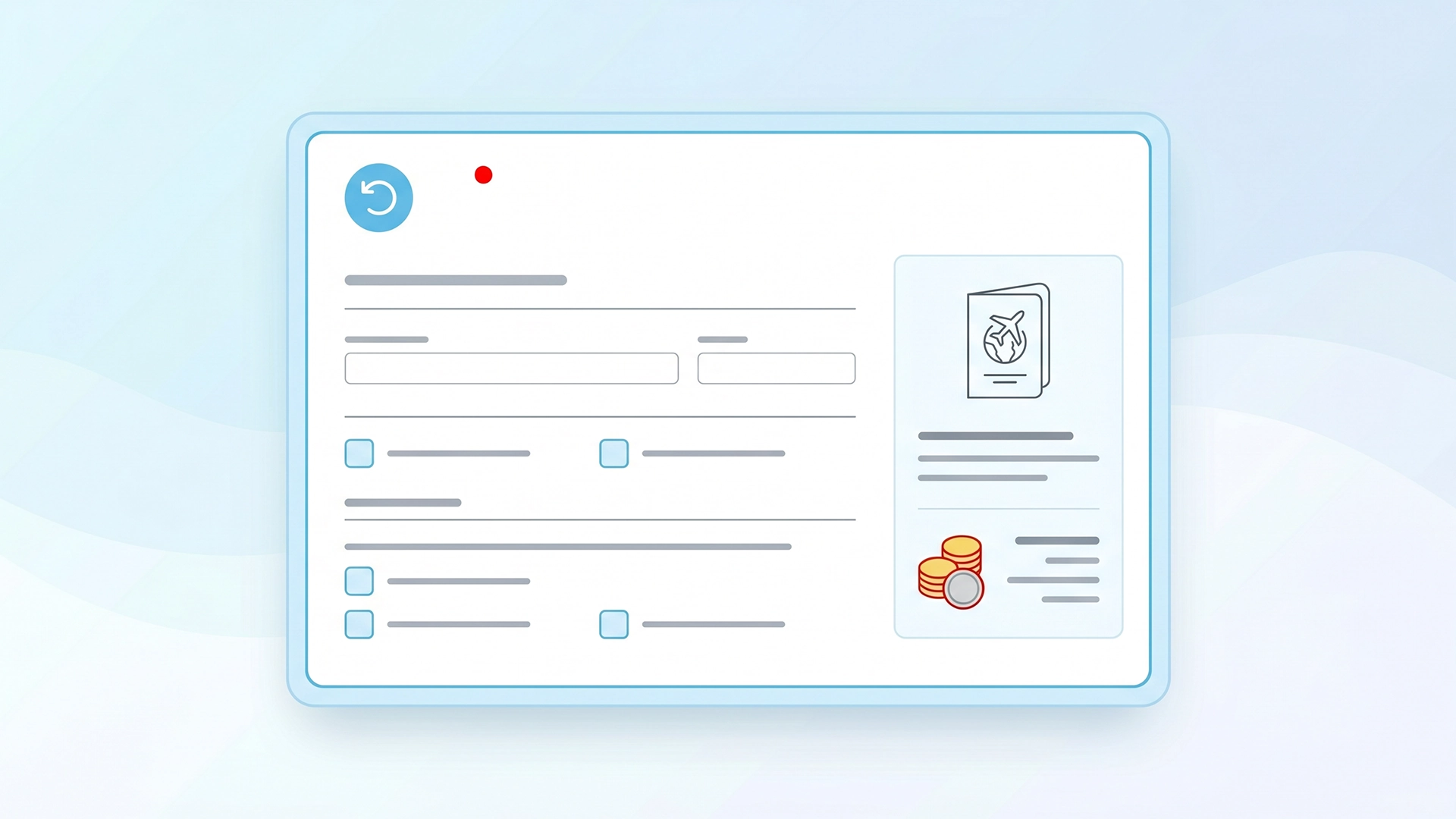
When staff retype the same client details across multiple government forms, small errors slip in. When clients email scanned passports and certificates, files go missing and get chased for weeks. Both problems raise the odds of a mistake that the government notices.
A mistake can trigger a Request for Evidence. That means re-doing the work, a delay of months, and sometimes another round of fees. Government fees are not small. Under the USCIS fee schedule, an H-1B petition carries a $780 filing fee, and optional premium processing adds thousands more. A single avoidable refile can cost more than a month of software.
Tighter intake and a clear document trail cut that risk. A secure client portal collects records once and flags what is missing. Software that fills the forms from one intake removes most of the error-prone retyping.
How Staff and Software Compare on Cost
The table below sets the two cost structures side by side. Neither replaces the other; they simply cover different jobs.
It comes down to a division of labor: software carries the routine volume cheaply, and your people handle the work that needs a licensed mind.
How to Decide Where Each Dollar Belongs
Start by sorting your team's week into routine work and judgment work. Routine work is intake screening, data entry, document chasing, and case assembly. Judgment work is strategy, argument, and client counsel.

Move the routine work to software first, because that is where the cost per case drops fastest. An around-the-clock intake tool screens leads before a person touches them, and form-filling software clears the data entry your attorneys should never be doing.
Then set a simple control. Have a supervising attorney review the software's output on every file before anything is filed, and track the correction rate by case type. If corrections on any category stay high, keep that category in senior hands until the pattern clears. You get the cost savings without giving up oversight.
Where This Leaves Your Firm
The real question is what your next unit of growth costs: a new $80,000 hire, or a small software charge.
A firm that runs routine work by hand pays for capacity in salaries, adding a hire every time volume climbs. A firm that automates the routine lets its existing team file more, saving new hires for the work that truly needs a person. That is the version of the cost of running an immigration firm that stays flat while your caseload grows.
Add Capacity Without Adding Payroll With US Immigration AI
US Immigration AI handles the routine work that eats your team's hours, from intake through final case assembly. Your firm takes on more cases without adding a salary. A licensed attorney still reviews every file before it is filed. Schedule a walkthrough to see where it fits your numbers.
Frequently Asked Questions