
Firms that focus on removal defense need software built around the immigration court calendar, not just general case tracking. A removal defense docket runs on deadlines set by an immigration judge, not by your firm, and missing one can mean an in absentia removal order or a lost appeal window.
Options fall into three groups: general legal practice platforms with immigration add-ons, immigration-specific form software, and AI-driven platforms that automate intake through filing. The right fit depends on your caseload, how much of it sits in immigration court versus in front of USCIS, and how much involves detained clients, multiple forms of relief, or appeals.
Key Takeaways
- Removal defense cases run on court-set deadlines that shift by hearing type, so software needs deadline logic tied to the immigration court calendar, not a generic due-date field.
- Most general case management platforms, and many immigration-specific tools, treat removal defense as one case type among many rather than handling its filing-deadline structure or multi-form relief packages well.
- A single removal case can carry several forms of relief in one filing package, so the software should assemble multiple applications and supporting evidence into one submission.
- Detained-client workflows differ from non-detained ones, so document collection and communication tools need to account for limited client access.
- Any AI-drafted content still needs a licensed attorney's review before it goes to the court, consistent with EOIR's current guidance on generative AI.
Why Removal Defense Cases Break Generic Case Management Software
A family-based petition or an employment visa mostly runs on a fixed government processing queue. A removal defense case runs on an immigration judge's calendar instead, one that shifts with policy memos and with each judge's own scheduling order.
Under the Executive Office for Immigration Review's Immigration Court Practice Manual, a represented, non-detained respondent's master calendar hearing is usually vacated once a notice of appearance is filed. The court issues a scheduling order instead, with deadlines that depend on the hearing type.
A master calendar hearing carries different filing windows than an individual calendar hearing, and untimely filings can mean an application for relief is treated as abandoned. A firm filing a motion on removability can face a response deadline set in days, not weeks.
Appeals add another layer. Per the EOIR Policy Manual's appeal deadline chapter and 8 C.F.R. § 1003.38(b), a Notice of Appeal to the Board of Immigration Appeals must reach the Board within 30 calendar days of the judge's oral decision or the mailing of a written one. The Board calculates that deadline by receipt, not by mailing date, which means a system that tracks only a single "due date" per case will miss this kind of layered deadline.
Removal cases also tend to bundle relief. One case might carry an asylum application, a request for cancellation of removal, and a waiver, all filed together and all needing consistent facts across every form. General practice software rarely accounts for that overlap, and immigration-specific tools built mainly for visa petitions do not always handle it either.
The Three Categories of Software Firms Are Choosing Between
Before comparing features, it helps to know what category a tool falls into. Most options on the market today fall into one of three groups.
General Legal Practice Platforms With Immigration Add-Ons
These are broad case and matter management systems built for any practice area, with immigration-specific fields and intake forms layered on top. They handle billing, calendaring, and document storage well across practice types. They were not built around EOIR's filing rules, though, so court-specific deadline logic and multi-form relief packaging are usually thin or absent.
Immigration-Specific Case and Form Software
These tools focus on immigration forms and case tracking, often across many visa categories with removal defense as one option among several. They tend to handle standard government forms and priority-date tracking well. Court-calendar logic built specifically around master calendar versus individual hearings varies widely between products, and so do BIA appeal-clock alerts, so it's worth confirming both directly.
AI-Driven Immigration Automation Platforms
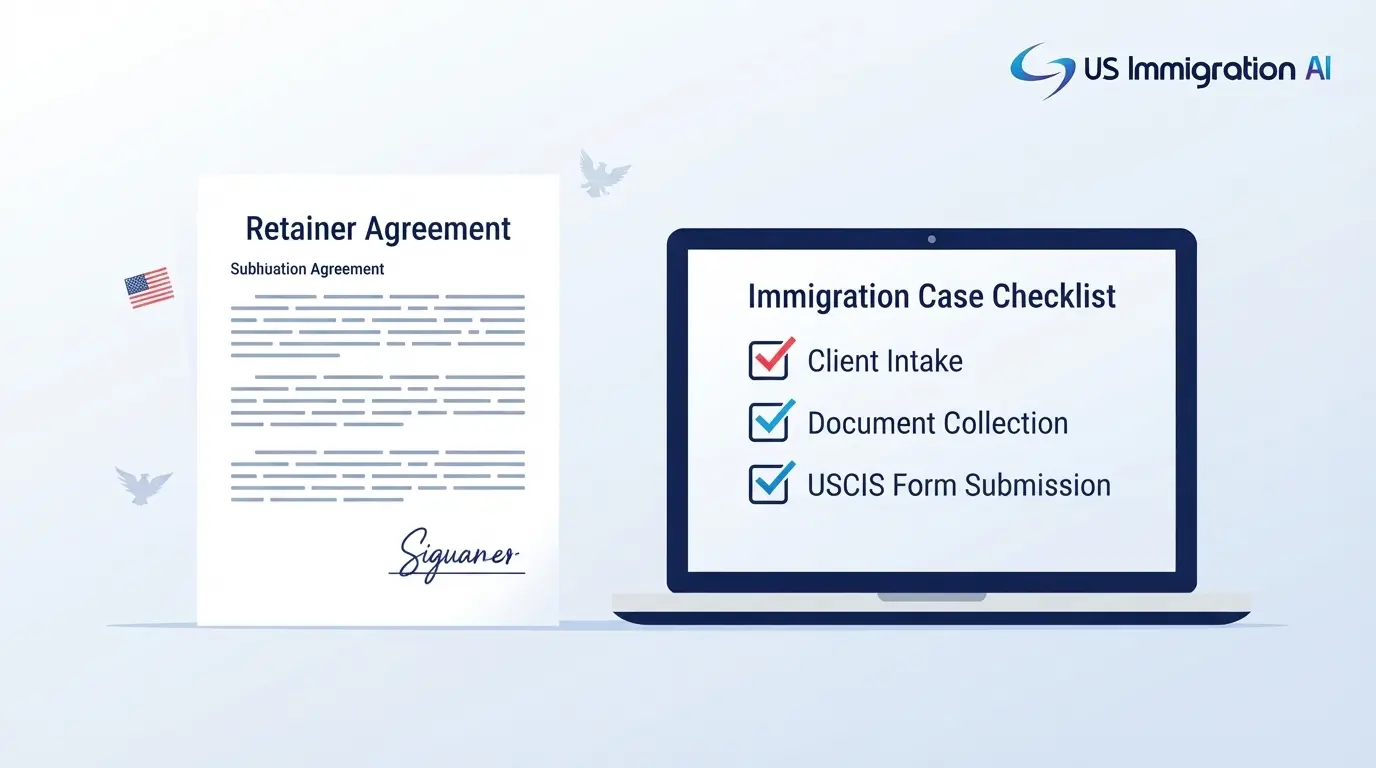
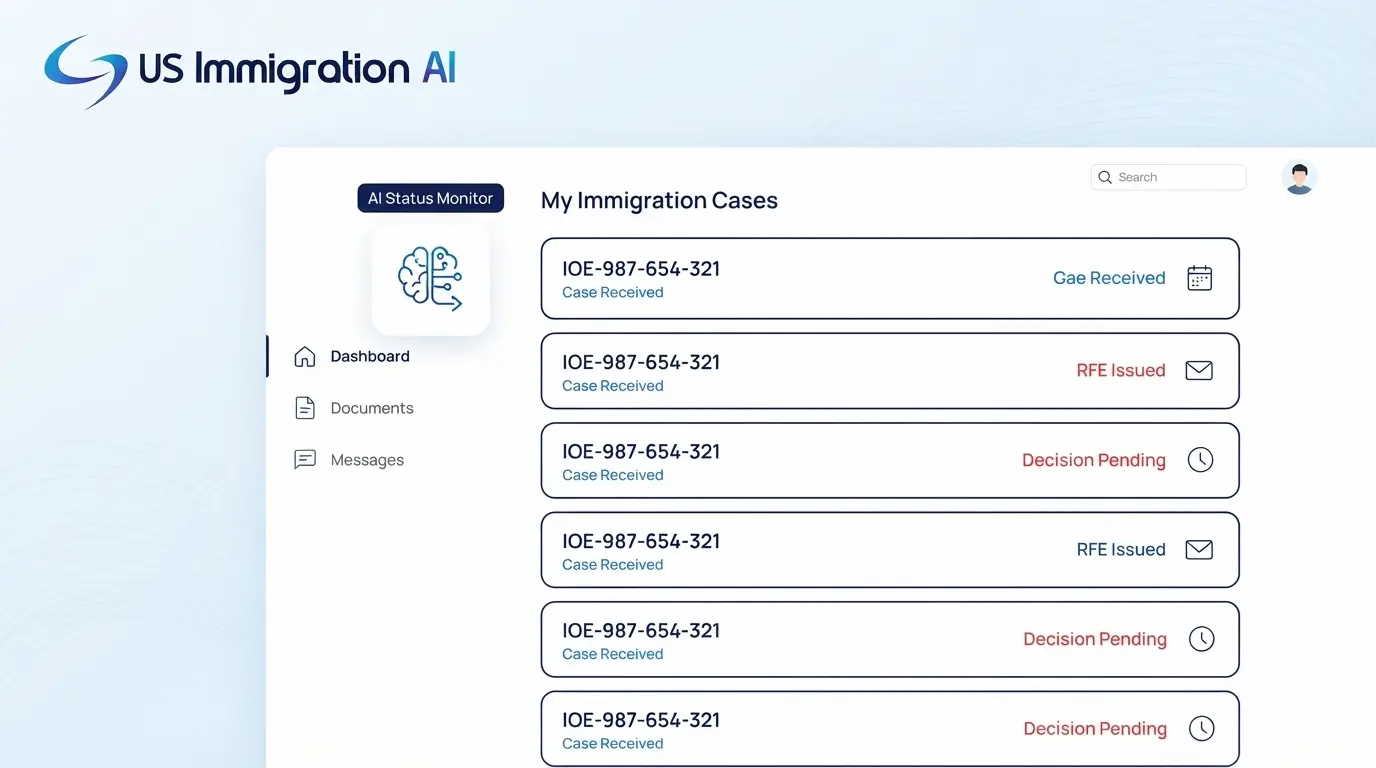
These platforms automate more of the case lifecycle itself, from client intake and document collection through form drafting and final case assembly, with a licensed attorney reviewing the work before it goes out. For a removal defense docket carrying several relief applications per case, this can cut down the manual work of assembling a consistent filing package. Just confirm where attorney review sits in the workflow before adopting one.
What to Check Before You Commit
Once you know which category fits your firm, a short list of removal-defense-specific checks narrows the field further. These checks focus on the places a heavy court docket tends to expose weak software first: deadlines, multi-form filings, and detained clients.
Court Calendar Logic
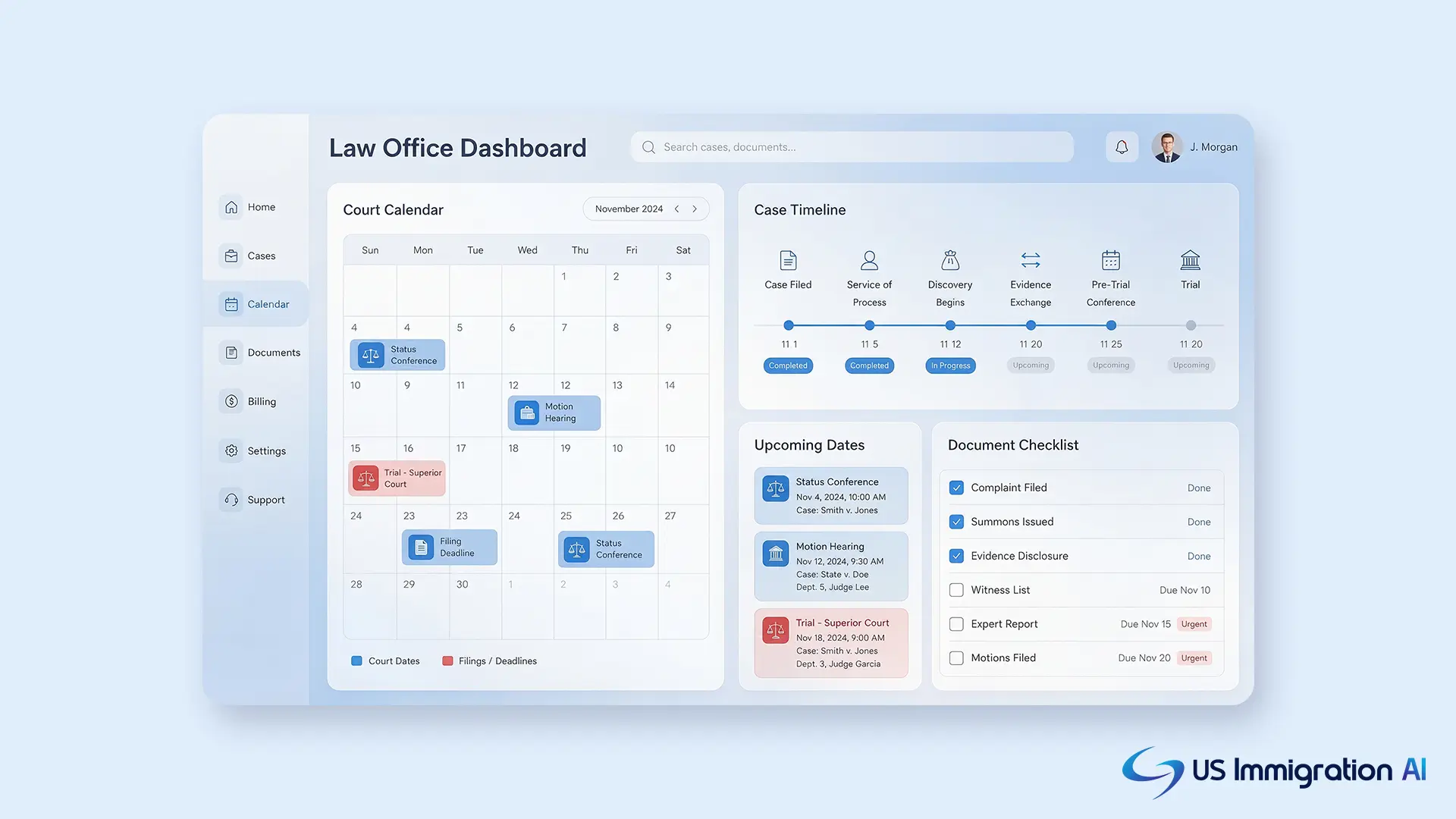
Ask whether the system distinguishes between a master calendar hearing and an individual calendar hearing, since filing windows differ between the two. A firm handling a heavy non-detained docket should confirm the tool can flag scheduling-order deadlines automatically, rather than depending on manual entry.
BIA Appeal-Clock Alerts
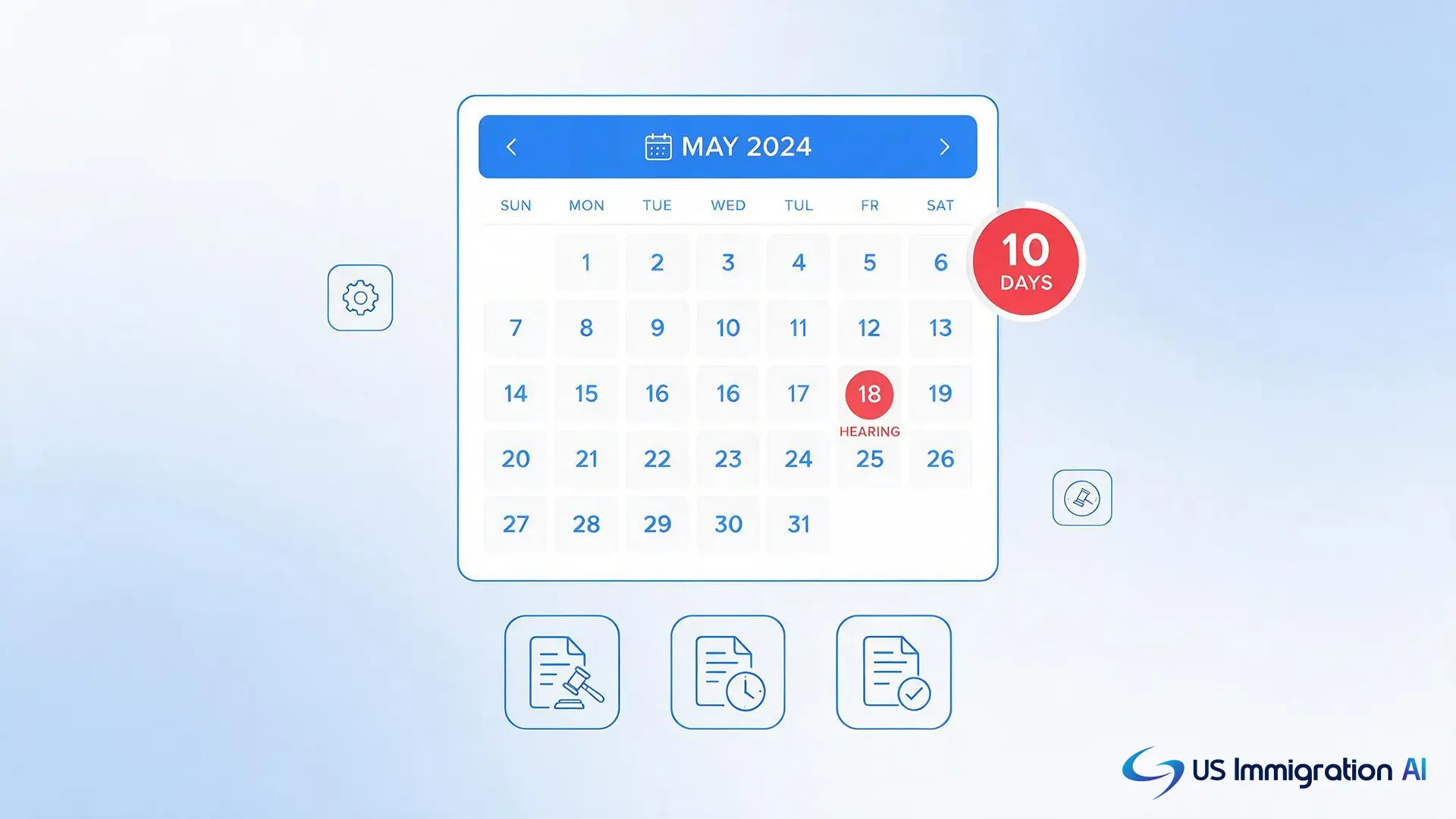
Given the strict 30-day appeal window, ask whether the software starts an automatic countdown the moment a decision is entered. Confirm it uses the Board's receipt-based calculation rather than the mailing date, since a late-arriving appeal can be dismissed even if it was mailed on time.
Multi-Form Relief Packaging
Confirm the system can hold several related applications and their supporting evidence in one case file. It should also keep facts consistent across every form tied to that respondent, so an asylum statement and a cancellation application don't quietly contradict each other.
Detained-Client Workflows
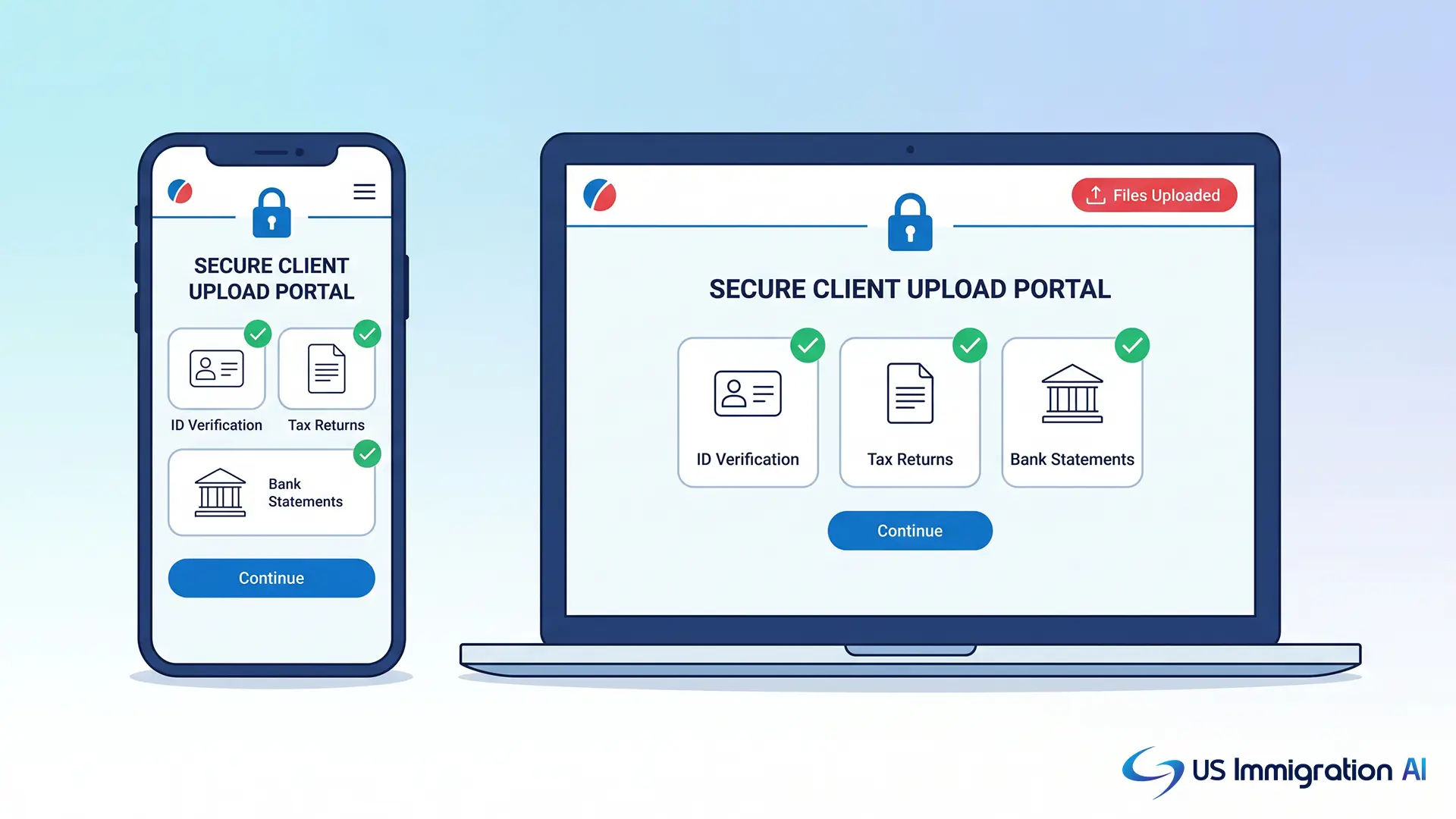
If any share of your docket involves detained clients, ask how the platform handles document collection and communication when the client has limited phone or internet access. A document collection portal built for immigration clients should still work when intake happens through a visit or a short call, not just a self-service upload.
Attorney Review Checkpoint
Any tool using AI to draft supporting filings should route the draft to a licensed attorney for review before it reaches the court. This matters given the current EOIR guidance covered below.
Final Filing Assembly
Confirm the system can organize every form and exhibit into one clean package, ready for case assembly. A licensed attorney should still sign off before anything goes to the court.
How the Categories Compare on a Removal Defense Docket
For a firm where removal defense is a core part of the practice, deadline logic and multi-form packaging tend to matter more than any single feature. This case type page on removal defense and court-related matters breaks down how the case lifecycle differs across that docket.

Where AI Fits, and Where the Attorney Still Has to Sign Off
EOIR has taken a measured stance on AI use in filings. Under Policy Memorandum 25-40, effective August 8, 2025, the agency does not ban generative AI in its proceedings, and it does not require attorneys to disclose its use. The memo does warn attorneys that submitting hallucinated or erroneous AI-generated content in a filing likely violates professional conduct rules.
That is exactly why review-first design matters more than raw automation. Software that drafts a form or a supporting letter should still route it to a licensed attorney before anything reaches the immigration court. Framed correctly, AI handles the repetitive drafting and organizing, while the attorney handles judgment, accuracy, and final sign-off on every filing.
Grow Your Caseload With US Immigration AI
US Immigration AI automates intake, retainer agreements, document collection, form drafting, and final case assembly for immigration firms, with attorney review built into every step. For a removal-defense-heavy caseload, that means less time spent assembling multi-form filing packages by hand. Schedule a walkthrough to see how it fits your docket.
Frequently Asked Questions