Intake to Pathway

AI Visa Eligibility Screening for Immigration Law Firms

US Immigration AI checks every lead against your firm's criteria the moment intake closes. You open a flagged pathway instead of a blank file, and the eligibility call always stays theirs.

Screening Capabilities

What Runs Behind Every Flag

Intake answers get checked against your firm's criteria automatically, on every single lead. These six things run behind that flag, from the first pathway match to the final attorney checkpoint.

Case-Type Pathway Flagging
Matches intake answers against your criteria and flags the pathway, family, employment, humanitarian, or other, a lead is most likely to fit. The flag names the specific pathway your firm defines, not a generic category.
Firm-Defined Screening Rules
You write the rules, by case type, and update them whenever your process changes. Nothing here runs on a fixed, one-size-fits-all script.
Structured Answer Review
Every flag ships with the exact answers behind it. No black box, no "trust the algorithm."
Low-Fit Lead Filtering
Clear mismatches get deprioritized automatically. Anything borderline still lands with a human.
Multi-Pathway Detection
When a lead's answers point to more than one route, the system flags all of them. Attorneys see every option a lead might qualify for, not just the first match.
Attorney Checkpoint Built In
Every flag carries the answers that produced it, so nothing arrives as a black-box result. Attorneys can trace exactly why a lead flagged the way it did.
Cut the Time Between a Qualified Lead and a Billable Review
Attorneys open a file with a likely pathway and the answers behind it already attached, no blank intake form to work from. That's one less step between a qualified lead and a billable review.

Our Leadership Team

Meet the team building AI-powered immigration case management software. Our leadership combines legal practice experience with technology to develop software that works the way immigration firms actually operate.

Family-Based Leads

Answers naming a U.S. citizen spouse and a marriage date flag a family-based pathway, with those answers attached for the reviewing attorney. Firms can tighten the rule further, for example requiring a specific marriage-length threshold before a lead flags, so borderline cases route to a person instead of flagging automatically.


Employment-Based Leads

Answers naming a job offer and a supporting degree flag an employment-based pathway, with employer and role details included for review. Your firm can set which combinations count as a strong match, such as requiring both a signed offer and a degree in a related field, versus which routes to manual review instead.

Humanitarian Leads

Answers pointing to circumstances tied to a humanitarian filing flag that pathway, with the underlying answers included so nothing needs re-explaining. Because these cases often turn on sensitive, fact-specific details, firms can set a lower auto-flag threshold here and send more borderline answers to a human by default.

Benefits of US Immigration AI's Visa Eligibility Screening

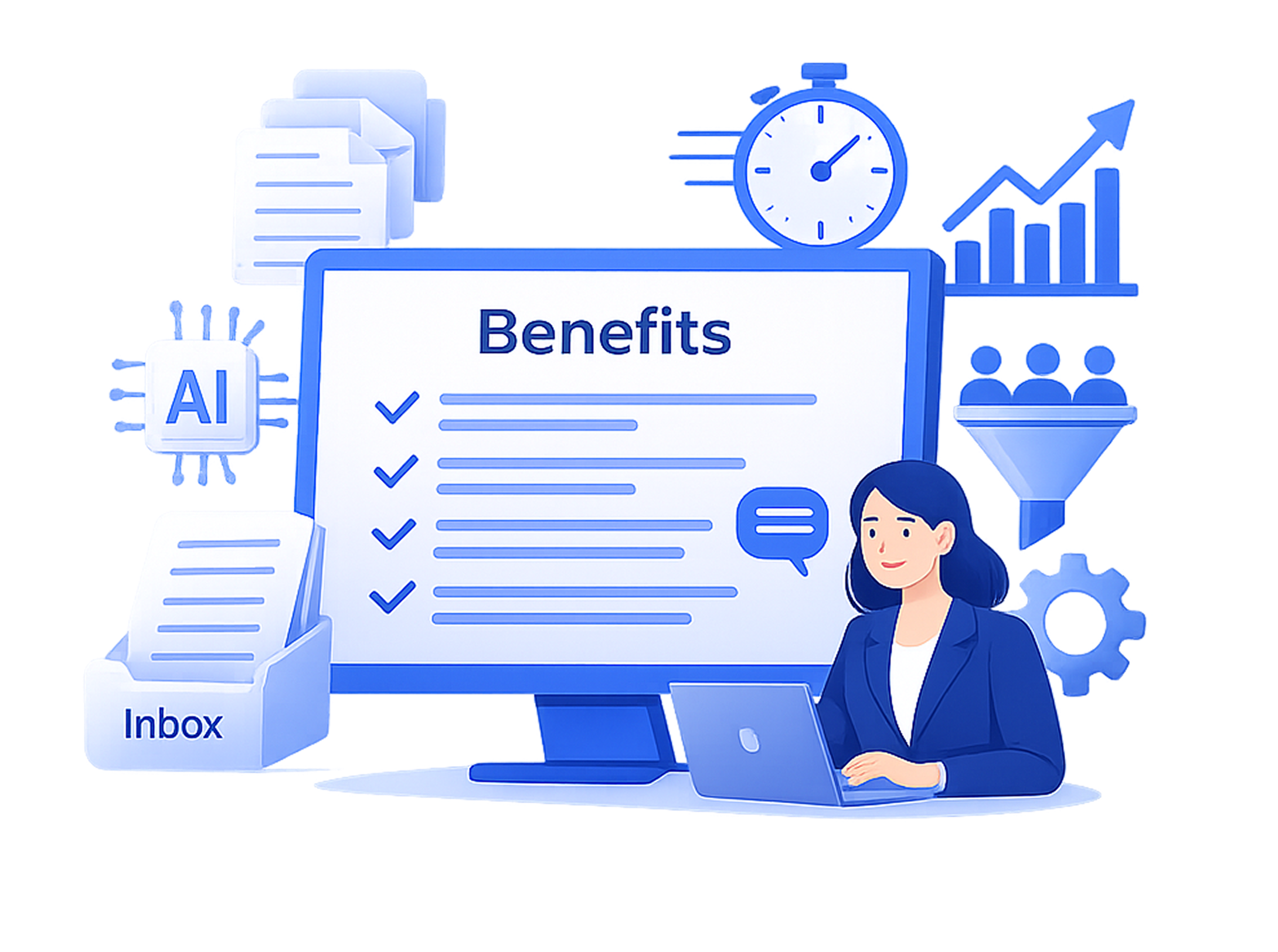
Screening changes four concrete things about how your team spends its day, not just what a file looks like when it arrives. Each one shows up somewhere different, from the calendar to the case file itself.
  • Fewer Wasted Consultations
  • Faster First Review
  • Same Rules, Every Time
  • The Call Stays Human

Manual Screening vs. AI Visa Eligibility Screening

Screening replaces a manual, memory-dependent process with one that runs the same way every time, for every lead. The table below lines up the old approach against what changes with it in place.
Before
Staff ask background questions on every call
Attorneys review leads that don't qualify
Eligibility notes scattered across calls and emails
Screening criteria live in someone's memory
With AI Screening
Screening runs automatically through intake
Only matching leads reach attorney review
Every flag lands in one summary with its evidence
Firm-defined rules apply the same way, every time

Screen More Leads Without Adding Hours to Your Week

Screen every lead as intake closes, so your team spends less time on calls that were never going to qualify. Firm-defined rules mean the same standard applies whether it's a Tuesday afternoon or a Sunday night.

Frequently Asked Questions (FAQ)

These are the questions firms ask most before turning on eligibility screening. If yours isn't listed here, the details above on how screening works should cover it.
  • 1.   Does the AI decide who is eligible for a visa?
  • 2. What case types can it screen for?
  • 3.  Can we set our own qualification criteria?
  • 4. Where does the screening data come from?
  • 5. Will it automatically turn away leads?
  • 6. Is client data secure during screening?
  • 7. Is eligibility screening a separate cost?
Turn Intake Answers Into a Flagged Pathway
Cut wasted consultations and give your legal team a head start on every file, in the time it takes intake to close.