Case File to Affidavit

AI Letter and Affidavit Drafting for Immigration Cases

Draft letters of explanation, affidavits of support, and declarations from your firm's own approved templates and the case details you already have. You write and approve the legal substance before anything reaches a client or a filing.

What US Immigration AI Drafts

Letters and affidavits carry the facts of a case in the applicant's own voice, so getting them right matters as much as getting the forms right. Here is what the platform drafts once your team has the case details on file.

Letters of Explanation
Addresses discrepancies or gaps that could otherwise delay a case.
Client Data Integration
Backs a petitioner's or sponsor's role in a filing.
Personal Declarations
Presents an applicant's own account for humanitarian and other filings.
Waiver Support Letters
Lays out the facts behind an inadmissibility waiver request.
Draft Faster Without Losing Your Firm's Language
Letters, affidavits, and declarations pull from the same case file your team already assembled, so nothing gets retyped, and every draft still reads like your firm wrote it.

Documents by Case Type

Letters and affidavits look different depending on what's being filed. Here's how drafting breaks down across the case types your team handles most, including what each document supports and what your team can adjust.

Family-Based Leads

Affidavits of support back up a petitioner's or sponsor's role throughout a family-based filing, giving USCIS a clear statement of financial and relational responsibility. Your team can adjust the emphasis and supporting detail for each sponsor's specific circumstances.

View Family Base Cases


Employment-Based Cases

Support letters back the employer's case for a beneficiary's role, qualifications, and the position itself. Your firm's language and level of detail carry over, so each letter still reads as your own firm's argument for that petition.

View Employement Base Cases

Naturalization & Citizenship

Affidavits and evidence submissions support an applicant's N-400 filing by backing up residency, character, and background claims. Your team decides which supporting facts to highlight for each applicant's history.

View Naturalization Base Cases

Waivers

Affidavits of support and legal statements of explanation lay out the hardship and background facts behind I-601 and I-601A filings. Your firm's approved templates and argument structure stay in place, so each statement reflects the same standard your practice already uses.

View Waviers Base Cases

Humanitarian Relief

Declarations, affidavits, and waiver letters present an applicant's personal account for humanitarian matters, built from standardized templates your firm controls. Sensitive personal narratives stay protected under the same confidentiality controls as the rest of the case file.

View Humanitarian Relief Cases

How AI-Assisted Letter and Affidavit Drafting Works

Seeing the sequence matters here, since a letter or affidavit carries more of the applicant's own words than a form does. Each draft moves through the same checkpoints before it reaches you.
Start From Attorney-Approved Language
Letters and affidavits generate from templates and wording your firm has already approved, by document type.
Pull the Facts From the Case File
Client details, dates, and case-specific facts flow in from the data already collected during intake, so no one retypes a client's story twice.
Generate the Draft
The system produces a full letter, affidavit, or declaration built on that data, ready for review.
Flag What Needs a Look
Missing signatures, empty fields, and conflicting dates get flagged before anyone reads the final page.
Attorney Reviews and Approves
A licensed attorney reviews the draft, writes and approves the legal substance, and signs off before it leaves the system.

Manual Letter and Affidavit Drafting vs. AI Letter and Affidavit Drafting

Manual Drafting
Rewrite the same explanation language for every case
Retype client facts into each letter and affidavit
Missed fields and inconsistent dates surface at proofread
Attorneys spend review time hunting for errors
With AI Letter and Affidavit Drafting
Start from attorney-approved language every time
Facts entered once, reused across every draft
Empty fields and mismatched dates flagged before review
Attorneys spend review time on the legal substance

What Changes for Your Team

Less Rewriting, Every Case
Standard language for letters of explanation and affidavits comes from your own approved templates, not a blank page. Your team edits and personalizes from that starting point instead of drafting each document from scratch.
Consistent Across the Packet
The same client facts carry into every letter, affidavit, and declaration tied to a case, so nothing contradicts itself. A date or detail entered once shows up the same way everywhere it's used.
Attorney Time Spent on Substance
With flagging handled automatically, you review the legal content instead of chasing typos and blank fields. Review time goes toward the argument and the facts, not proofreading.

Who This Is Built For

Letter and affidavit drafting matters most where the writing load is heaviest and most repetitive.

Waiver-Heavy Practices

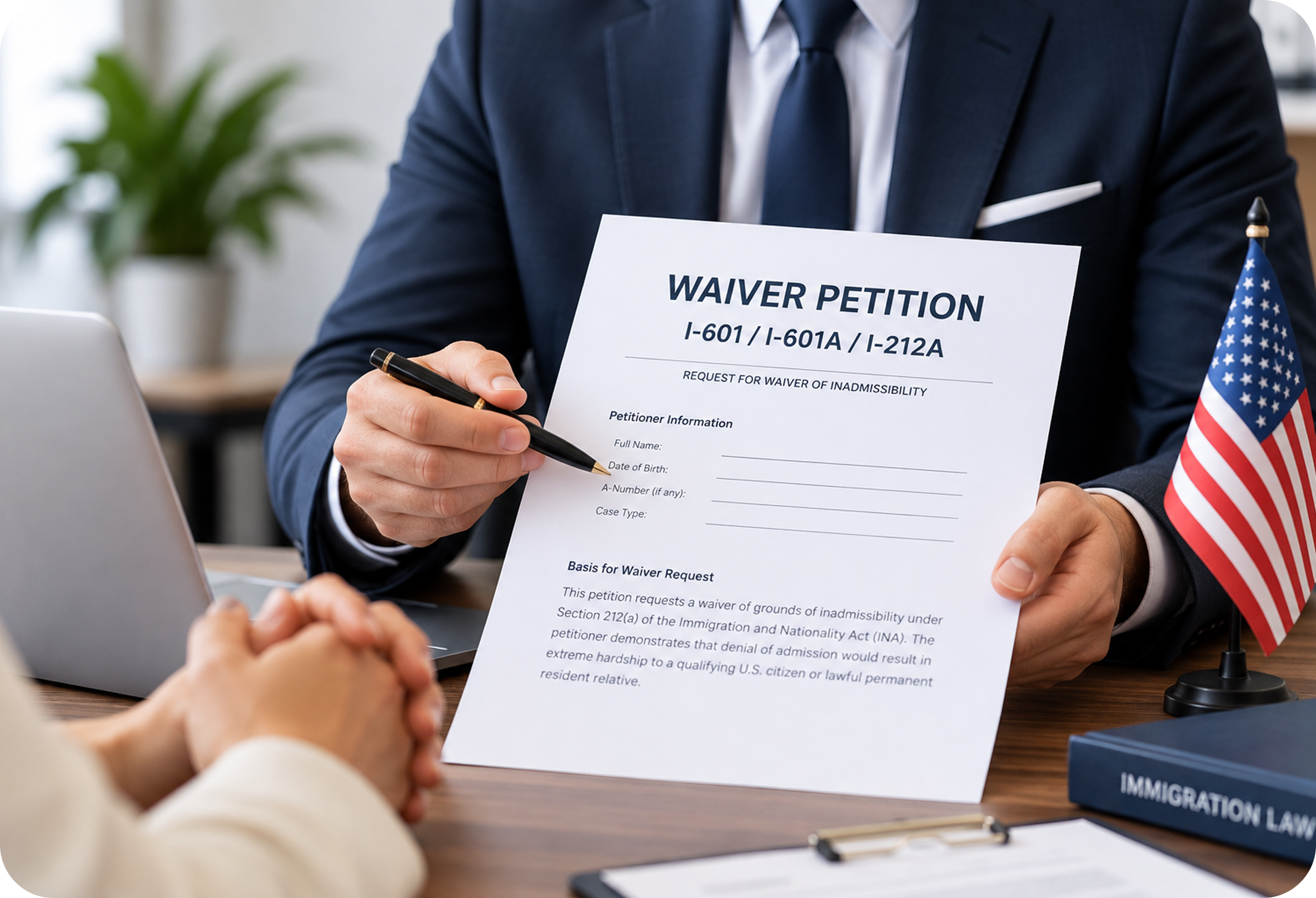
Firms filing I-601 and I-601A waivers regularly draft a new declaration and legal statement for nearly every case. Reusing approved language and case data cuts down the rebuilding work between filings.
Humanitarian Caseloads

Firms drafting affidavits and declarations for humanitarian relief matters write personal narrative content that repeats in structure across cases. Standardized templates keep that writing consistent without flattening each applicant's specific story.

High-Volume Family and Naturalization Filings

Firms producing sponsorship affidavits and N-400 supporting materials at scale benefit most from reusing the same case facts across every document. Volume is where the time saved on repetitive language adds up.

Multi-Staff Teams

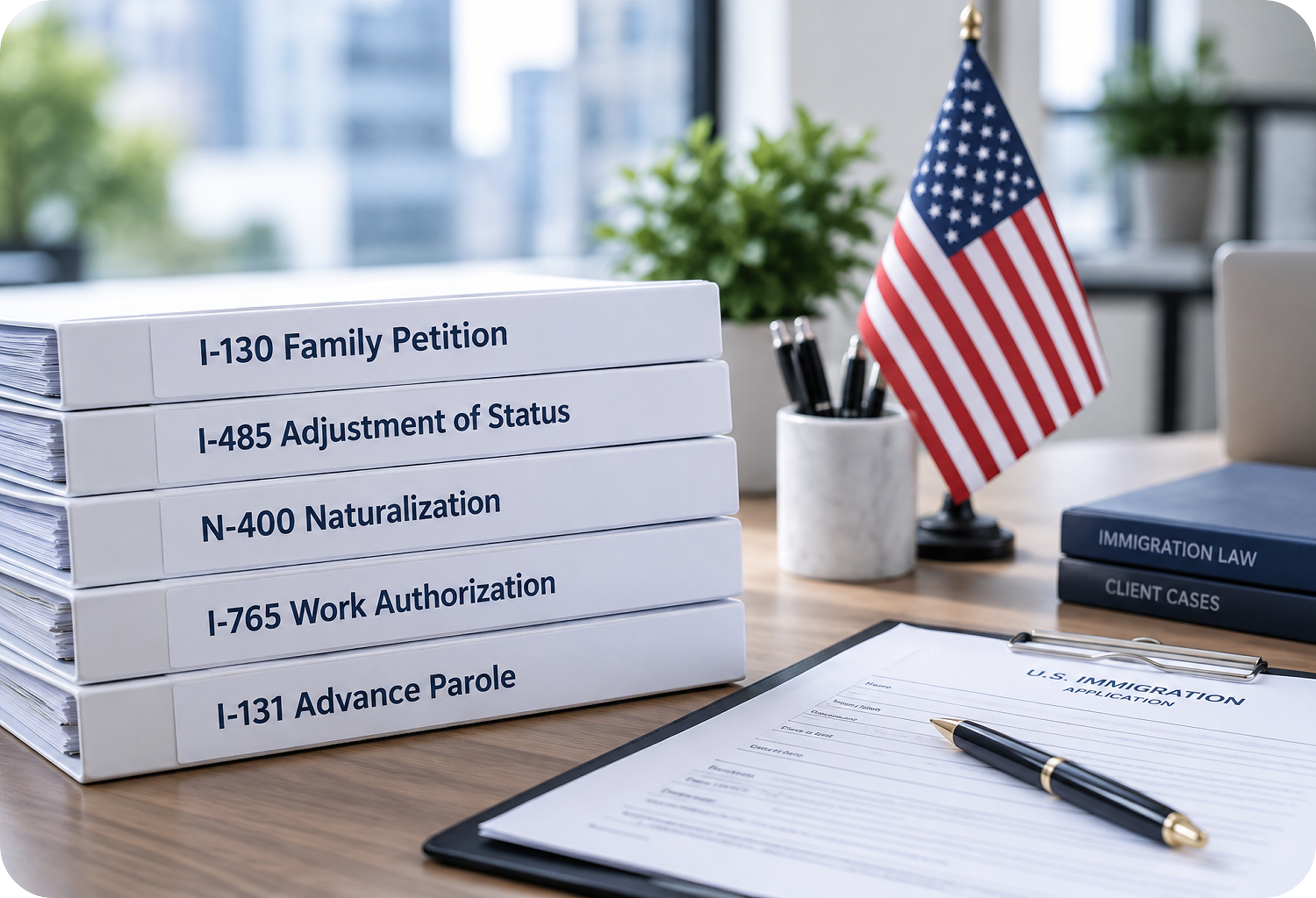
Practices where several paralegals draft letters want consistent firm language no matter who's writing. Shared templates keep tone and structure the same across the team, regardless of who drafts the first version.

Frequently Asked Questions (FAQ)

These are the questions firms ask most about how letter and affidavit drafting works and what stays under attorney control.
  • 1.   Does the AI decide what goes into an affidavit or letter of explanation?
  • 2. Can we use our own firm's letter and affidavit templates?
  • 3. Does the AI write legal arguments or give legal advice?
  • 4. What types of letters and affidavits can it draft?
  • 5. Is a human attorney required to review every draft?
  • 6. Can it catch mistakes before we send a letter or file an affidavit?
  • 7. Is this a separate product, or part of AI Legal Document Drafting?
Draft Every Letter and Affidavit Faster, in Your Firm's Own Words
Pull the facts once, draft from your own approved language, and get every letter and affidavit ready for review sooner.